Loading...
As a newcomer, it’s easy to feel helpless and out of control when it comes to large-scale challenges like understaffed clinical settings. These issues require complex solutions and great efforts. Nevertheless, a lot of the advice throughout this blog post – understanding key medical vocabulary terms, getting supplies for a friend at the ER, knowing various avenues for primary care – can improve one’s health-care experience and can be done individually or in community.

Mike Hermida
Writer

Accessing health care is often challenging— it may be wrapped up in worry for your well being and discomfort in the health-care process. This can be exacerbated by systemic problems with Ontario's health care system and unique challenges to newcomers. While it's not possible to solve all problems regarding access to health care – indeed, a life without health concerns is impossible – knowing a few key facts in advance can help the process run more smoothly.
This article touches on several health-care related issues, with a specific focus on issues that immigrants to Ontario would need to know and advice on mitigating them.
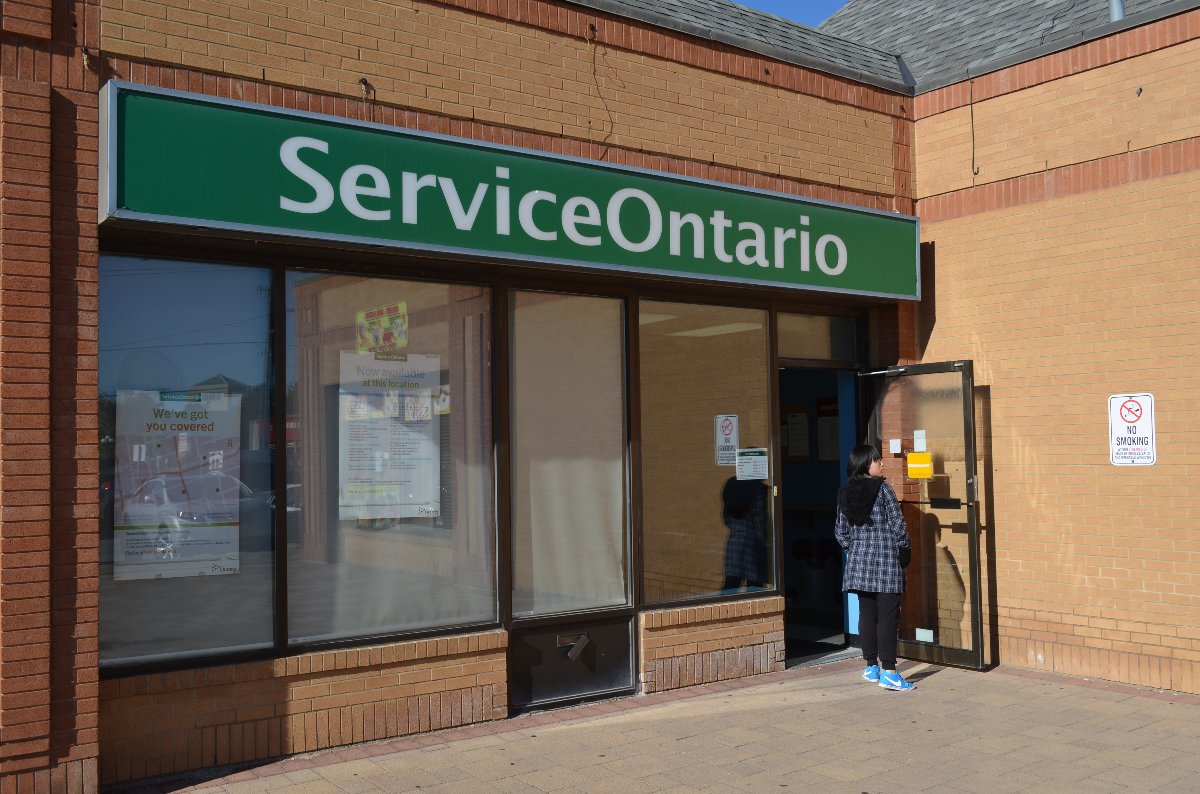
Overall, health care is public in Canada and, in the province of Ontario, it's provided through the Ontario Health Insurance Plan. Any person is eligible for OHIP and can receive a health card after settling in Ontario. (Full requirements and application process for OHIP can be found at ontario.ca.)
Apply to OHIP as soon as you're eligible as this will allow you greater access to health care. A health card can also serve as a piece of ID in most cases. More information on applying to a health card can be found in a previous blog at blog.klhiisa.org.
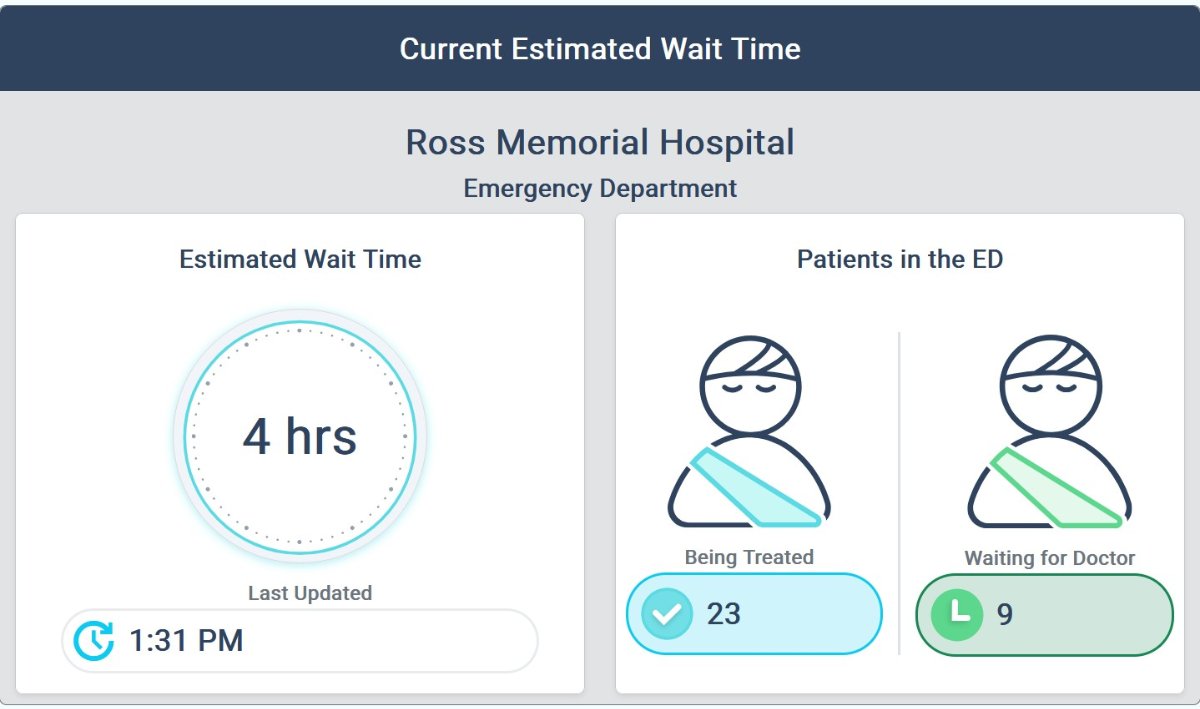
In Ontario, the Emergency Room serves a broad purpose. Ontarians sometimes find themselves checking into the ER for relatively minor ailments or injuries because it's the most direct way to see a doctor. Updated wait times for the Ross Memorial Hospital in Lindsay can be viewed at rmh-predict.oculys.com.
If you're able to spend a little time preparing for the ER, a backpack with the following items can help make your stay more comfortable:
~ Phone charger and a power bank: Wait times can be long and you'll find yourself using your phone to communicate with family, research your condition and entertain yourself. Having a power bank allows you to charge your phone even if you're not sitting near an outlet. If you're struggling with mobility, plugging in a phone may also be challenging. If you don't have a power bank, a very long charger will provide similar help.
~ Food: While a substantive meal is impractical, non-perishable and easy-to-eat snacks like trail mix, granola bars, candy and chocolate can help with hunger and morale. A full water bottle will help as well. Waiting rooms often have fountains to re-fill bottles. Packaged foods like dehydrated meats or bags of baby carrots can add more substance to your diet. Pack your food according to medical needs.
~ Notebook and pen: This can be useful to take notes when talking to nurses and doctors. You can also use it to write down your questions beforehand.
Some medical episodes require going to the ER immediately and you won't have time to pack these items, but if you're accompanied by a friend or family member, they can go home to pick up what you need. You can also have a bag packed with these items ready to go in case you have to leave immediately.
According to a study in the Oman Medical Journal, “language barriers have negative implications for the delivery of healthcare and patient satisfaction.” This can have a trickle-down effect where doctors mis-diagnose patients that they don’t understand or patients mis-understand doctors’ comments. Even a person fluent in English as a second language might struggle with medical vocabulary that they learned in their native language. This study suggests using apps like Google Translate or Medi Babble to help communicate.
In addition, before a medical visit, searching a few key terms relevant to the nature of your visit can help make your access to health care smoother. When speaking to a health-care professional, if you don't understand, don't be afraid to ask them to slow down or repeat themselves. You can also confirm if you understood them correctly by repeating what you understood in your own words.
The provincial government is currently in the process of modernizing and improving francophone services in hospitals. At time of writing, hospitals in Ontario aren’t obliged to offer services in French.
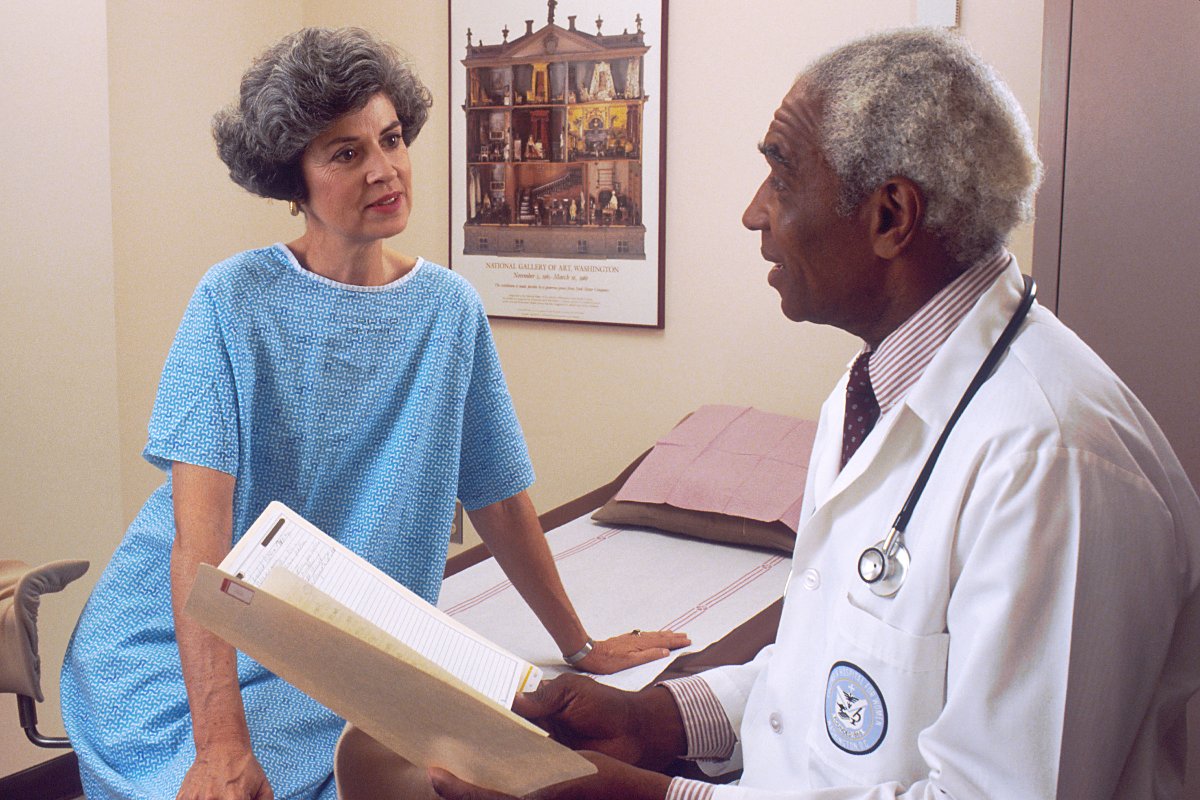
A primary-care provider is often a patient’s first point of contact with health care. Primary-care providers prevent, identify and treat illnesses and injuries, and connect patients to specialists when applicable.
An individual’s family doctor or nurse practitioner is their primary-care provider in non-emergency situations. They treat and diagnose illnesses and injuries, help support chronic conditions, write drug prescriptions and perform medical check-ups and screenings.
Any person with an Ontario Health Card is eligible for a family doctor or nurse practitioner. You can register for the wait list for this service through Health Care Connect. If you know a doctor or nurse personally (e.g., they’re assigned to a relative of yours), they may be able to take you as a patient. The news site Kawartha 411 often publishes announcements when a new doctor arrives along with applicable information on whether they’re taking new patients.
However, there is a shortage of doctors in the province, with at least 2.3 Ontarians who do not have regular access to primary care according to the Ontario Medical Association, a problem that’s more extreme in rural areas. In this context, it’s important to know other ways of accessing care. Pharmacies provide care for minor ailments such as urinary tract infections, cold sores and pink eye. They can also extend prescriptions for some chronic conditions until your following doctor’s appointment.
Alternatively, one can see a doctor through a clinic. Clinics offer treatment for episodic injuries or illnesses. Some take appointments while others are walk-in. The Ross Memorial Hospital offers a list of clinics in Lindsay and surrounding area.
***
As reported in The Lindsay Advocate, the Vital Signs research project presents challenges and opportunities in terms of the health and well-being of the community as a whole. In some areas, it paints a dark picture, including “families grieving preventable deaths, still without access to their own doctors.” As a newcomer, it’s easy to feel helpless and out of control when it comes to large-scale challenges like understaffed clinical settings.
These issues require complex solutions and great efforts. Nevertheless, a lot of the advice throughout this blog post – understanding key medical vocabulary terms, getting supplies for a friend at the ER, knowing various avenues for primary care – can improve one’s health-care experience and can be done individually or in community.
Writer