Loading...
Dr. Debakanta Jena is chief of orthopaedic surgery at Medicine Hat Regional Hospital, an associate professor at the University of Calgary and a first-generation immigrant to Canada.In surgery, success...

KLHIISA
Writer
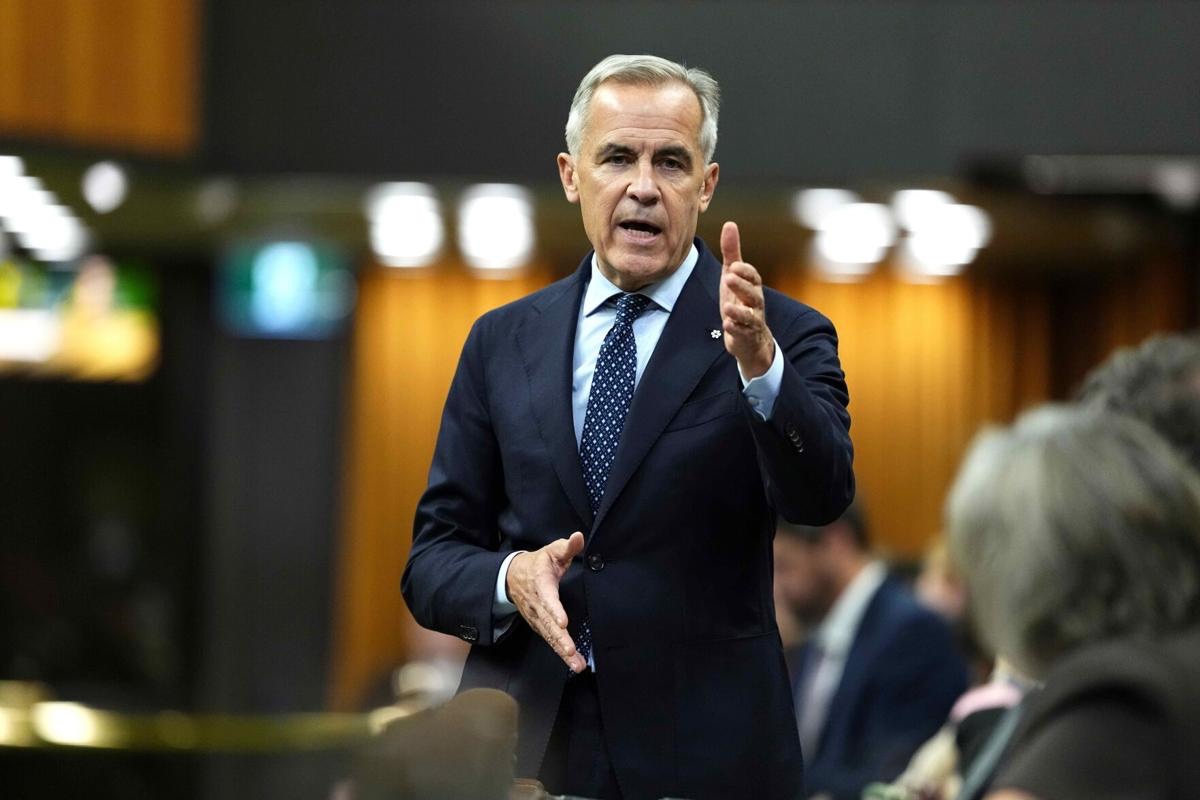
Dr. Debakanta Jena is chief of orthopaedic surgery at Medicine Hat Regional Hospital, an associate professor at the University of Calgary and a first-generation immigrant to Canada.
In surgery, success is not measured by how elegantly we describe the problem or how impressive our plan sounds. It is determined by the patient.
Did we fix the problem? Is our patient recovering? Is life better than before?
When the answer is no, we do not defend the plan. We reassess and change course.
Government should be held to the same standard.
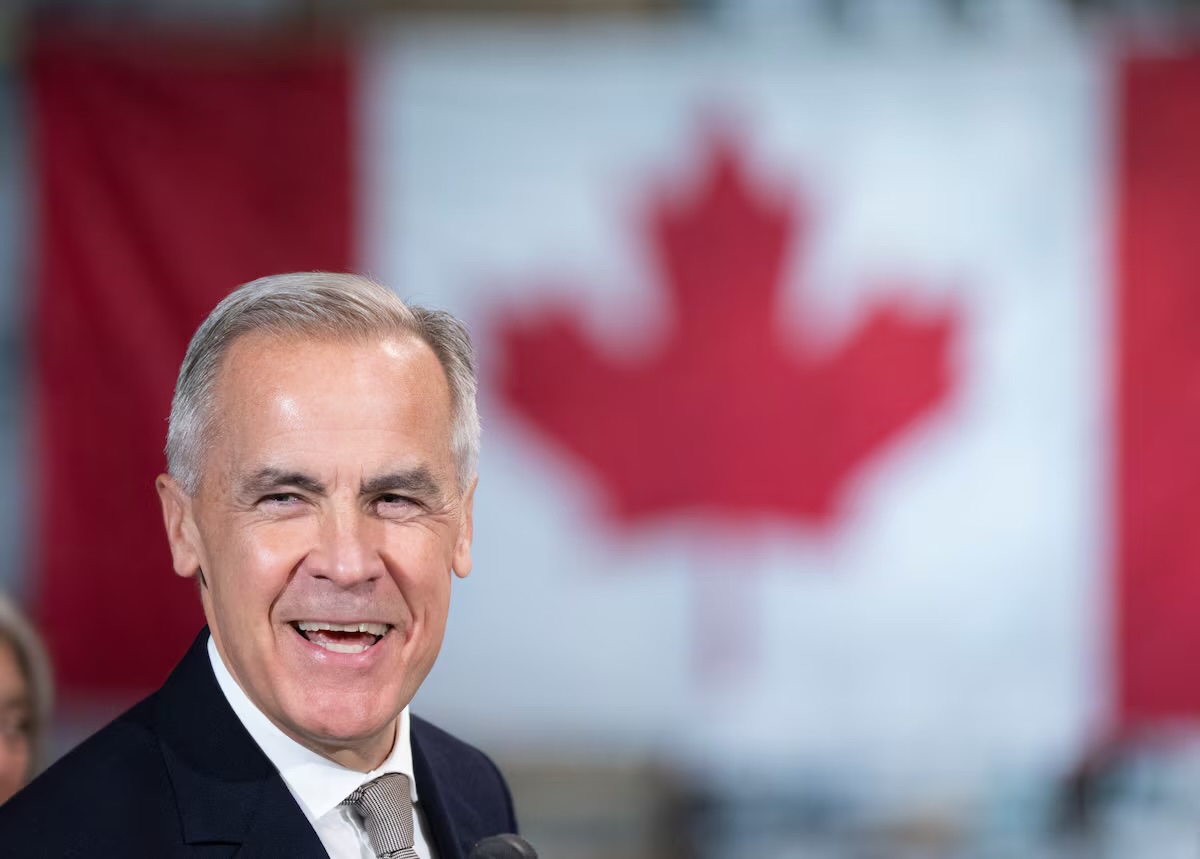
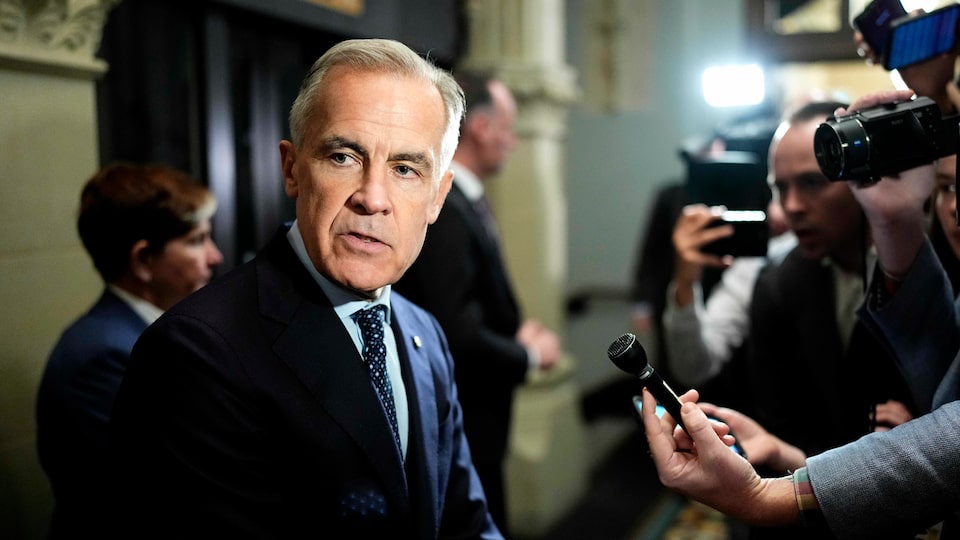
Prime Minister Mark Carney is receiving applause abroad. He has spoken in Davos of a “rupture” in the world order and, last month in Strasbourg, addressed the European Parliament. Canada needs new markets, stronger alliances and a response to an unpredictable U.S. administration.
But applause in Davos can sound very different around a kitchen table in Dartmouth.
Results at home
Canada must look outward. Yet the test of Carney’s agenda is not the applause it earns abroad. It is whether Canadians can feel the results at home.
The questions remain urgent. Can we pay the mortgage? Why can’t our child find a first job? How long before we find a family doctor? Do we fill the prescription or buy this week’s groceries?
The OECD says Canada’s economic growth per person was nearly flat from 2019 to 2023 and, without a change in course, could be the slowest among advanced economies through 2060.
U.S. trade upheaval makes rebuilding our economy urgent. Nearly 72 per cent of our merchandise exports went south last year. We need new markets, but diversification must begin at home too. It should not be harder to trade across a provincial border than across an ocean. Remove the barriers between provinces. Build infrastructure. Move Canadian goods and resources across the country.
Carney should build relationships abroad. But he also needs to build capacity at home.
As a surgeon, I see what capacity means. From my operating-room window, I have watched a health system strain as demand grew faster than beds, staff and investment. Speeches do not open another hospital bed or put another nurse on the floor. When demand grows faster than capacity, people feel it.
Which brings me to immigration.
I came to Canada after growing up in India and training in Britain. For many immigrants like me, Canada is a love story written by generations who arrived, worked, built and belonged. We weaken that story when numbers become detached from the capacity to welcome people well.
Carney has acknowledged the problem. In a New York Times interview, he described immigration “overshoots,” pressure on housing and education, and “degree factories” built around visas.
Consequences of population growth
Canadians are still living with the consequences of population growth that outran capacity: homes they cannot afford, longer waits for care and infrastructure struggling to keep up. Yet Carney is already asking when Canada should resume a “controlled increase” in population.
Why the hurry?
Before another increase, Ottawa should show the system is under control and capacity is catching up. Immigration should be about the talent Canada needs, not a population target: nurses, engineers, scientists and skilled tradespeople who can build its future.
A country does not become more prosperous by becoming more populous. The real test is not how ambitious the plan sounds, but what it delivers.
Do projects break ground? Does investment rise? Does productivity rise? Can a young Canadian find meaningful work? Can a family afford a home and find a doctor?
Those answers will tell us whether the plan is working.
Most Canadians want something ordinary and profound: meaningful work, a home, a chance to build a business, raise their children safely and believe tomorrow might be better than today.
International partnerships have their place. So does life at home.
Outcome matters more
In medicine, a plan matters, but the outcome matters more. Government should be judged the same way.
That judgment will not be made in conference halls. It will be made at the grocery store when a parent no longer has to put the eggs back, when a child finds that first job, and in a waiting room when someone finally hears their name called.
And at the kitchen table, when the mortgage is due and the numbers add up.
Long after the speeches and applause have faded, that family will still be there, waiting. They will know Canada is moving forward when the conversation shifts from what must be cut this month to what might be possible next year.
Opinion: Carney has become a global leader, but here is what Canadians really want from their prime minister
Writer
KLHIISA is a registered Non-Profit Organization.