Loading...
Yufeng Wang was thrilled when a leading seismologist at the University of Toronto agreed to take him under her wing — and the secure funding for his doctoral studies was the icing on the cake. Bu...

KLHIISA
Writer
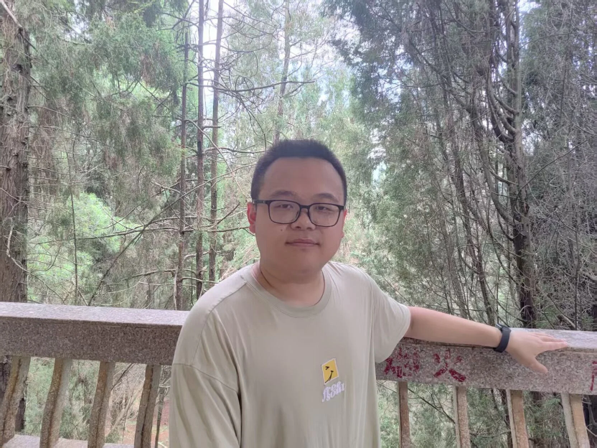
Yufeng Wang was thrilled when a leading seismologist at the University of Toronto agreed to take him under her wing — and the secure funding for his doctoral studies was the icing on the cake.
But the arrangement is now in serious jeopardy. The prospective PhD student from China is struggling to get his study permit in time to start in September, despite Ottawa’s commitment to attract global talent to drive economic growth and boost innovation.
“I’m not sure if my department and the funding is going to wait for me,” said Wang, who graduated from Jilin University in June with a bachelor’s in geophysics and co-authored two published articles on tomography during undergrad. “Basically, I’m screwed.”
Recruiting international talent was a highlight of Prime Minister Mark Carney’s 2025 budget, and the Immigration Department has a key role. A $1.7-billion investment is meant to lure world-class researchers and top doctoral and post-doctoral fellows to Canada, and support universities in hiring internationally.
While institutions can go all-out to invite prospective talent, experts say success hinges on whether the recruits can make it to Canada in a timely way and secure permanent residence after their stay. The lack of a streamlined system and delays in security processing, they said, are hindering the effort.
“There’s not a co-ordination between the immigration side and the science” recruitment, said Christina Clark-Kazak, a professor in public and international affairs at the University of Ottawa.
“Many people were already starting to say, ‘How are these people ever going to get visas?’ So you’re investing all this time and they’re coming here for a few years. What are they going to do at the end of that? What’s the immigration pathway?”
Visas stalled by backlogged security screening
The Canada Global Impact+ Research Talent Initiative has different streams, providing funding to hire world-leading research chairs and teams, early-career researchers, top doctoral students and post-doctoral researchers, as well as investment in infrastructure and facilities they need.
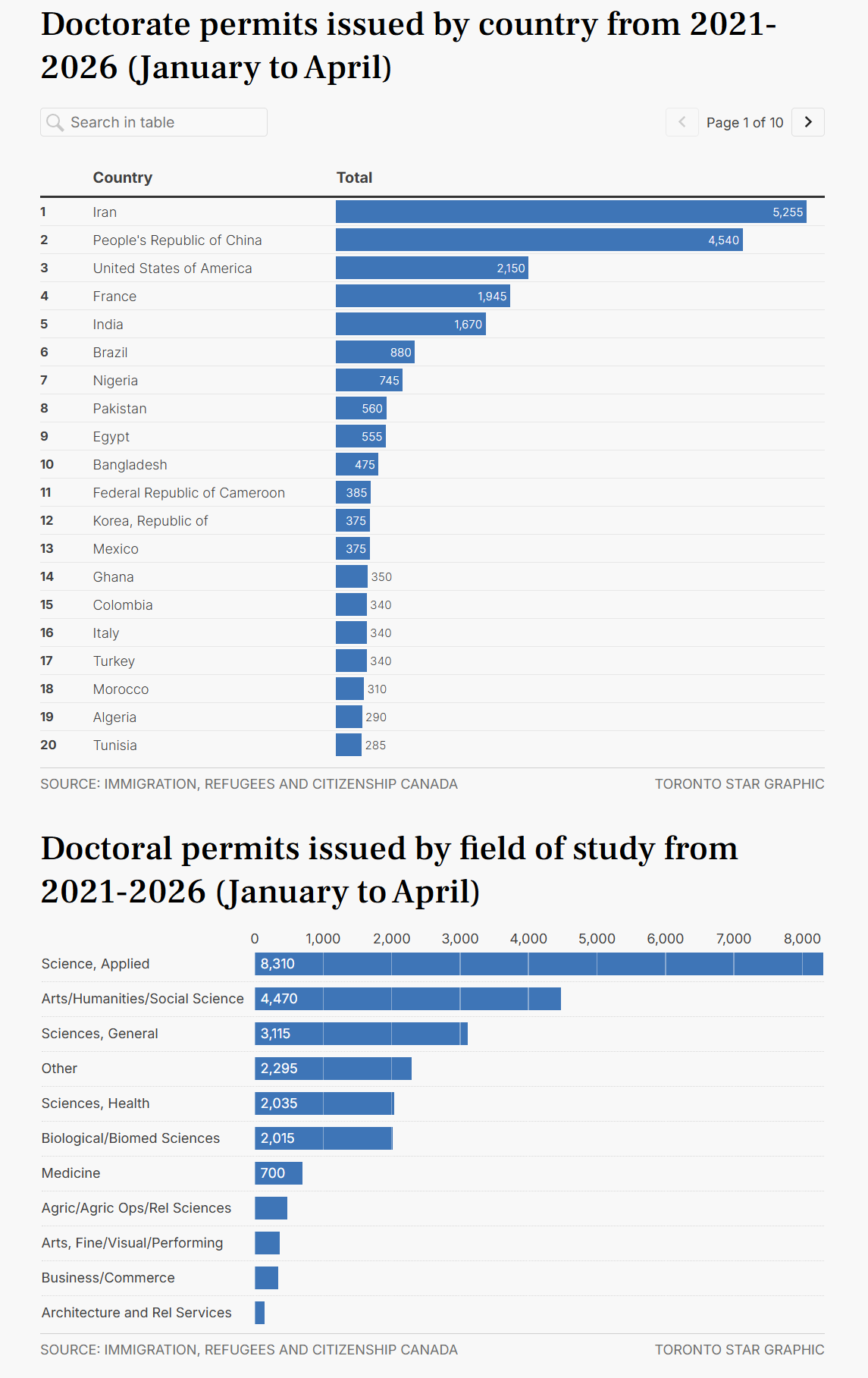
The Star’s Janet Hurley recently reported that after Americans, Chinese, Iranian and Indian nationals were the top source countries of the 659 graduate students and post-docs from 72 countries selected in the first phase of the training awards program, focusing on early-career talent. Doctoral candidates will receive $40,000 annually for three years and post-docs $70,000 a year for two years.
Yet, China, Iran and India also top the list of immigration applicants who are referred to comprehensive security screening by the Canada Border Services Agency and the Canadian Security Intelligence Service. Immigration officials said assessments are conducted by its partners and processing times vary, depending on the backlog and complexity of a case. It can take months, or years.
Wang got an admission offer from U of T in March and applied for his student visa in April. The application stalled due to security screening, with no updates. Through a WeChat group of Canada-bound doctoral students, he said he has met four others in the same boat.
“I definitely understand how important security screening is, but a lot of countries make it much faster,” said Wang. “Some of my classmates applied to the U.S. They are clearly much more serious about the national security. Their security screening was concluded within a few months.”
The Immigration Department said it has streamlined the admission of graduate students and researchers, and continues to prioritize study permit applications for doctoral programs with 14-day processing. However, it said security screening is done by CBSA and CSIS, and there’s nothing it can do to speed it up.
The border agency said the three government bodies are taking key steps to reduce screening backlogs, including training and onboarding additional officers and improving processes. The number began to fall for the first time since 2021, and further reductions are forecast. Currently, pending cases include 69,800 temporary resident applications, 31,300 permanent resident files and 73,400 refugee claims.
The intelligence service said in a statement that “there continues to be a very high volume of applications for security screening, which CSIS is working with partners to diligently address. CSIS continues to take the necessary time required to process each file appropriately, and safeguard the security of Canada and all Canadians.”
Immigration lawyer Gabriela Ramo said all government departments need to make a concerted effort to deliver the international talent if Ottawa wants results.
“I’m not arguing we should cut corners on national security,” said Ramo, a partner of EY Law LLP in Toronto. “But is there any effort made to tell CBSA and CSIS, ‘This is a priority. You don’t put it in a lineup. You start working on it right away.’ You’re putting $1.7 billion into this, right? You want it to be successful.”
She said Ottawa must also start planning how to retain the talent given the reduced permanent residence levels in the coming years, and can’t just expect these doctoral graduates and researchers to navigate myriad possible pathways on their own to figure out a way to stay permanently afterward.
“If they leave, that knowledge goes with them,” said Ramo. “If they’ve got patents, the patents go with them. So this is the reason we’re doing this because we want these people to develop things, get patents here, build out Canadian capability and make us world leaders in certain areas.”
Struggles for graduates and researchers already in Canada
Many doctoral graduates and researchers currently in Canada are already struggling to stay permanently.
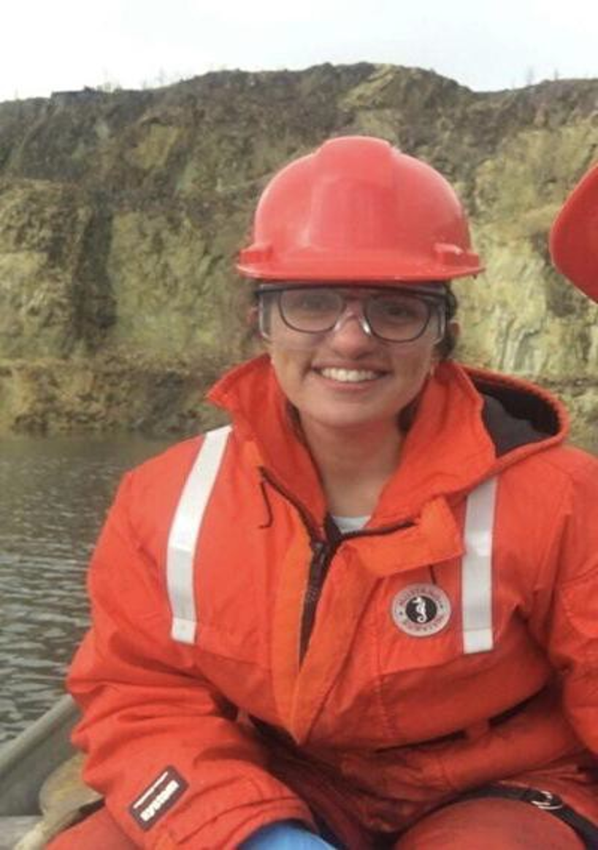
Reem Safira arrived in Quebec in 2019 for her PhD in environmental science at Université du Québec en Abitibi-Témiscamingue. The Palestinian from the West Bank graduated in 2024 and is a post-doctoral fellow at the University of Waterloo in research related to the recovery of critical metals in mining waste.
She said it takes years to pursue doctoral studies and research, but age works against scholars and researchers like her in the skilled immigration system because candidates start losing points each year after turning 30 until it hits zero at age 45. It makes it harder to compete in the talent pool despite their higher educational achievements and skills.
Safira currently has a ranking score of 450, but the cut-off scores for the general talent draws have been above 500. She has been waiting for the first targeted talent draw for researchers ever since it was announced in February; there have been only three draws for STEM occupations since that category started in 2023, the last in April 2024.
“I have been here for seven years and I am still in limbo,” said the 44-year-old, whose postgraduation work permit expires in less than a year. “My PhD was funded by Canadian mining industry partners and government organizations here. Canada has actually invested a lot in me and I want to give back to this country.”
But unless there’s a clear pathway for permanent residence, U of Ottawa’s Clark-Kazak said she is not sure how appealing these postgraduate and post-doc opportunities are to international talent.
Proposal for priority processing for researchers
Immigration lawyer and policy analyst Mario Bellissimo said the visa delay for the invited talent was foreseeable given many of the research areas such as AI, quantum, cybersecurity, biotech and dual-use technologies are highly sensitive. Ottawa doesn’t have to lower the security standard, but must build a “faster, co-ordinated and accountable process” capable of screening the people it has deliberately recruited, he added.
“Security cannot become an indefinite administrative holding pattern.”
He urges Ottawa to create designated immigration coding and a special unit to process immigration applications of individuals selected by universities under the global talent strategy, while co-ordinating departments and agencies to prioritize processing.
Bellissimo said the government should carve out a portion of the annual permanent residence intake and dedicate the spots for the recruited researchers.
Markham immigration lawyer Sajjad Malik said currently economic immigration selection favours candidates under 30 and prioritizes those proficient in French. If Ottawa is not going to launch a dedicated permanent residence pathway for these researchers, at least it should tweak the points grid to address the “age penalty” against them by giving more weight to their related education.
“The strategy sounded great with the money commitment,” said Malik. “But it’s not integrated with immigration. Unless you marry these policies together, you can’t get the benefit of it.”
Canada is spending big to recruit top global minds. They may find it hard to stay in the country — if they can even get in
Writer
KLHIISA is a registered Non-Profit Organization.