Loading...
“Canada gave me the opportunity to live my dreams,” says Roman Slepcsik, who became a permanent resident in 1999 and is now facing deportation. Roman Slepcsik says he is forever grateful to Canada...

KLHIISA
Writer
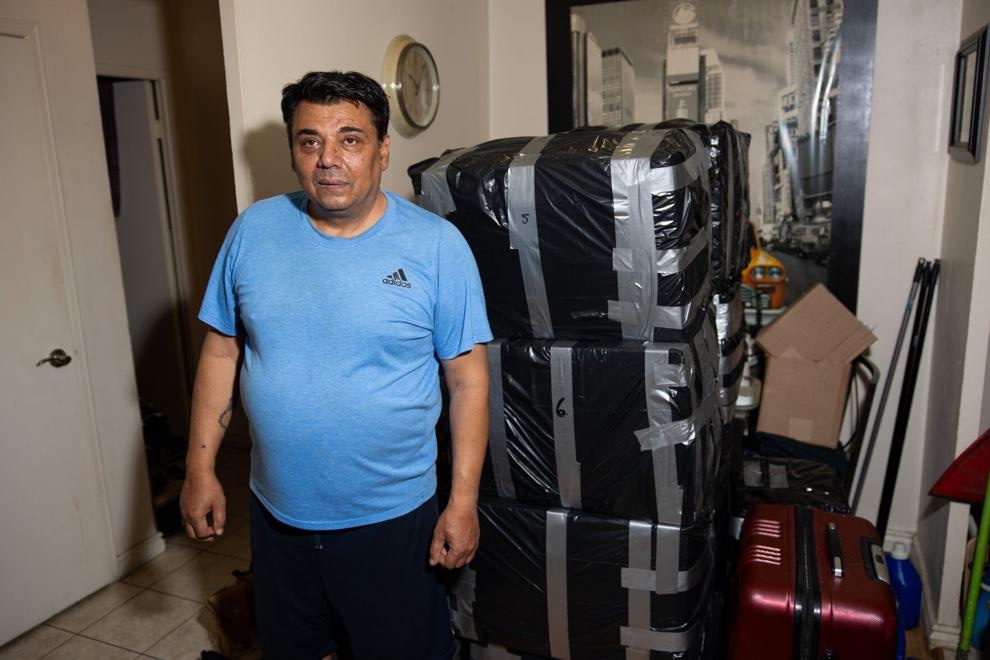
“Canada gave me the opportunity to live my dreams,” says Roman Slepcsik, who became a permanent resident in 1999 and is now facing deportation.
Roman Slepcsik says he is forever grateful to Canada even though Ottawa is showing him the door after nearly three decades in the country.
The former refugee is thankful he could make a living and provide for his family, so his two daughters — and now two grandchildren — could have a good future that they wouldn’t have got in the Czech Republic.
“Canada gave me the opportunity to live my dreams,” said the Toronto man, now 58, whose story could end up having far-reaching consequences for Canadian law and people granted asylum caught travelling home — even if he may not be in the country by the time it’s resolved.
Slepcsik fled rising violence against Roma minorities by skinheads in the Czech Republic and came to Canada for asylum in 1997. He was granted protected-person status a year later by the refugee board and became a permanent resident in 1999.
Since then, he’s built a life as a tradesman, brought over his daughters and made a living for himself — he’s a Mercedes-Benz aficionado who has owned four of the luxury cars through the years in Canada, albeit all used ones.
“Here, if I work hard, I can make it. Canada is a land of opportunity. It’s the best country in the world.”
The problems started in 2020. That’s when he went home to take care of his brother, who was fighting inoperable bladder cancer. Upon his return to Canada, he was flagged by a border agent because he had “voluntarily re-availed himself of the protection of the Czech Republic.”
It was the last of seven trips he had made to his home country to care for his ill sibling, attend family funerals and, once, to help his then-wife and two daughters move to Canada.
Under a law passed in 2012 by the then-Conservative government, an ex-refugee’s permanent residency depends on them keeping “protected-person status” long after their arrival. Slepcsik had his status stripped, in essence, because the Immigration and Refugee Board of Canada concluded his travel back and forth to the Czech Republic — on his Czech passport — suggested he no longer needed the protections Canada gave him in the 1990s.
As a result, he automatically lost his permanent residence, and has also been barred from applying to stay on a temporary basis, regain his status on humanitarian grounds and undergo a risk assessment to determine if the Czech Republic is safe for him.
Last November, the Federal Court dismissed Slepcsik’s constitutional challenge of the Stephen Harper-era law. However, it agreed the case involved a serious legal issue of general importance, opening the door for a potential landmark appeal.
If the Federal Appeal Court agrees that the automatic loss of permanent residence indeed violates his Charter rights as a formerly recognized refugee, it could overturn the existing law and could change the fates of dozens of other people also at risk of losing their permanent residency for the same reasons. The appeal hearing has yet to be scheduled, but will likely happen next year.
In the meantime, the appeal court last week dismissed Slepcsik’s plea to pause his imminent removal, giving the green light for the border agency to deport him.
“What they’re doing is breaching a human right before the court had the chance to determine the remedy,” his co-counsel, Barbara Jackman, said in an interview. “Who’s it going to inconvenience if he stays here while his case is argued?”
Building a life on hard work
As he scrambled to clear up his cramped apartment in Toronto’s Beaches neighbourhood, Slepcsik said the flashbacks of his time in Canada came washing over him like a movie.
He still remembered landing in Montreal with his younger brother Frederik and making their refugee claim at the airport in September 1997, before travelling to Toronto, where they stayed initially in a homeless shelter. A few months later, they were thrilled to move into their own apartment and started working as cleaners.
“The boss could not afford to hire two people, so he took us both in with one pay,” recalled Slepcsik. “We split the $8 an hour. Freddie got $4, and I got $4.”
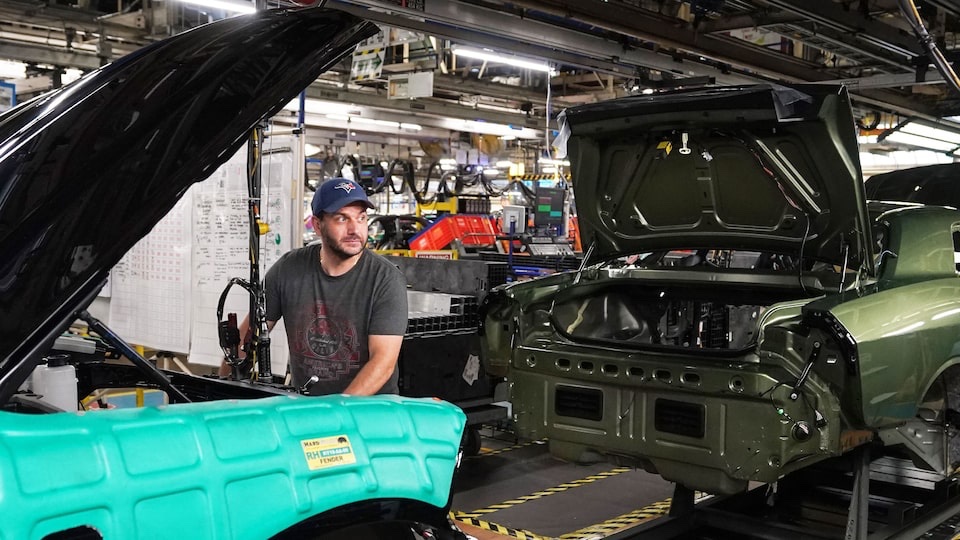
Later in 1998, the brothers met a homebuilder, who hired them as carpenters. He would ultimately spend 24 years working for the same builder until his body gave out from years of wear and tear. He still struggles with severe back pain, which he believes is in part related to the stress from his immigration limbo.
Slepcsik said he used to work 10 hours a day, Monday through Saturday, and only got to spend Sunday with his two daughters, who joined him in 2001. He said he never took vacation except once for a three-day trip to take the girls to an amusement park in Buffalo.
“He provided everything for us,” said his elder daughter Jana, now 37, who works in the hospitality industry. “He’s a very good dad. He has given me and my sister a future. We went to school. We have the opportunity to make a living for ourselves. We are comfortable where we are. I’m sure if we were back in Czech Republic, it would be a different story.”
She added: “Where’s he going to live? … He doesn’t even know how anything works there.”
Slepcsik laughed when he recalled teaching Jana how to drive in a school parking lot and how she backed up into a concrete post and wrecked his bumpers — and seeing how her eyes lit up when he handed her the car keys for a used Volkswagen Beetle that she always wanted.
Frederik said family always comes first to his older brother. When his son was born in 2015 and brought home from the hospital, Slepcsik was standing in the hallway with a crib because he was thrilled to welcome the baby boy to the family.
“Roman is always there,” said Frederik. “He’s not a criminal. He travelled home to help others in the family. He deserves to stay. He’s a law-abiding citizen. He paid taxes. He never cheated. He did not commit any crime.”
Court is not here to ease pain of removal
In dismissing Slepcsik’s request to suspend his removal, Justice Vanessa Rochester said the Federal Appeal Court recognized that removal from Canada is “immensely stressful, anxiety-provoking, deeply sad and heartbreaking.”
A deportee loses their job and abandons their studies, while all health and social benefits cease, she wrote. It also entails enforced separation from loved ones and friends, along with being torn from the stability and comfort one may have known here. Nevertheless, she added, these are the “inherent consequences” of being removed from Canada.
“Our role is not to alleviate sadness, tragedy and difficult circumstances,” the judge wrote in her reasons. “Nor is our role to stand in the way of a federal agency exercising its statutory duty or to unduly interfere with the normal administrative process prescribed by Parliament.”
Slepcsik said he is having a tough time packing up as he laid out his belongings on the floor, each brings special memories to him. There were the stacks of family photos, presents his daughters got him for Christmas, all the birthday cards the girls gave him, and a winter coat that Frederik bought him from the Goodwill store for his first winter in Canada.
“I’ve got 15 boxes, and that’s not even fully packed yet,” said Slepcsik, whose close family members in the Czech Republic — his parents and brother, Dalibor — have all passed away. “I have been in Canada for almost 30 years. You have 30 years of memories here.”
Writer
KLHIISA is a registered Non-Profit Organization.