Loading...
Parents forced to choose which of them will be deported and who will remain with their children. A breastfeeding mother detained for weeks without her newborn. A young father — the breadwinner of his family — facing separation from his baby who has heart problems.

KLHIISA
Writer
Parents forced to choose which of them will be deported and who will remain with their children. A breastfeeding mother detained for weeks without her newborn. A young father — the breadwinner of his family — facing separation from his baby who has heart problems.
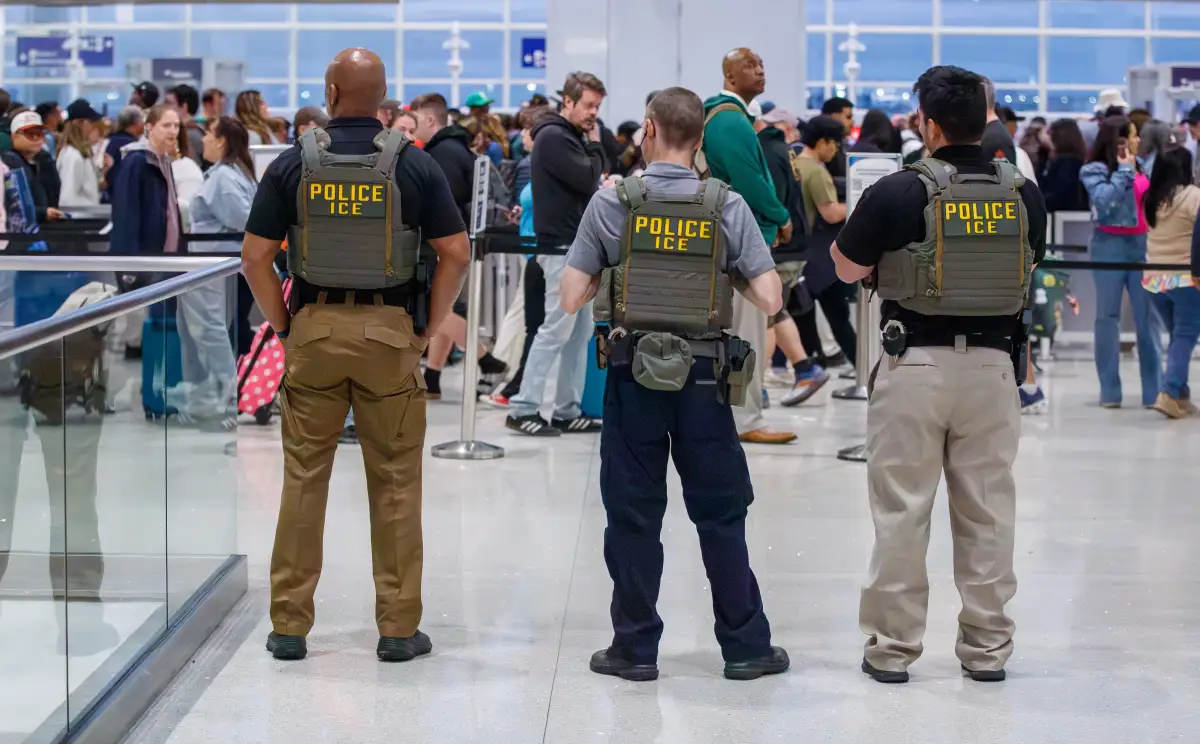
Refugee advocates say they are seeing a new trend of deportation proceedings involving parents whose spouses or children are allowed to remain in Canada.
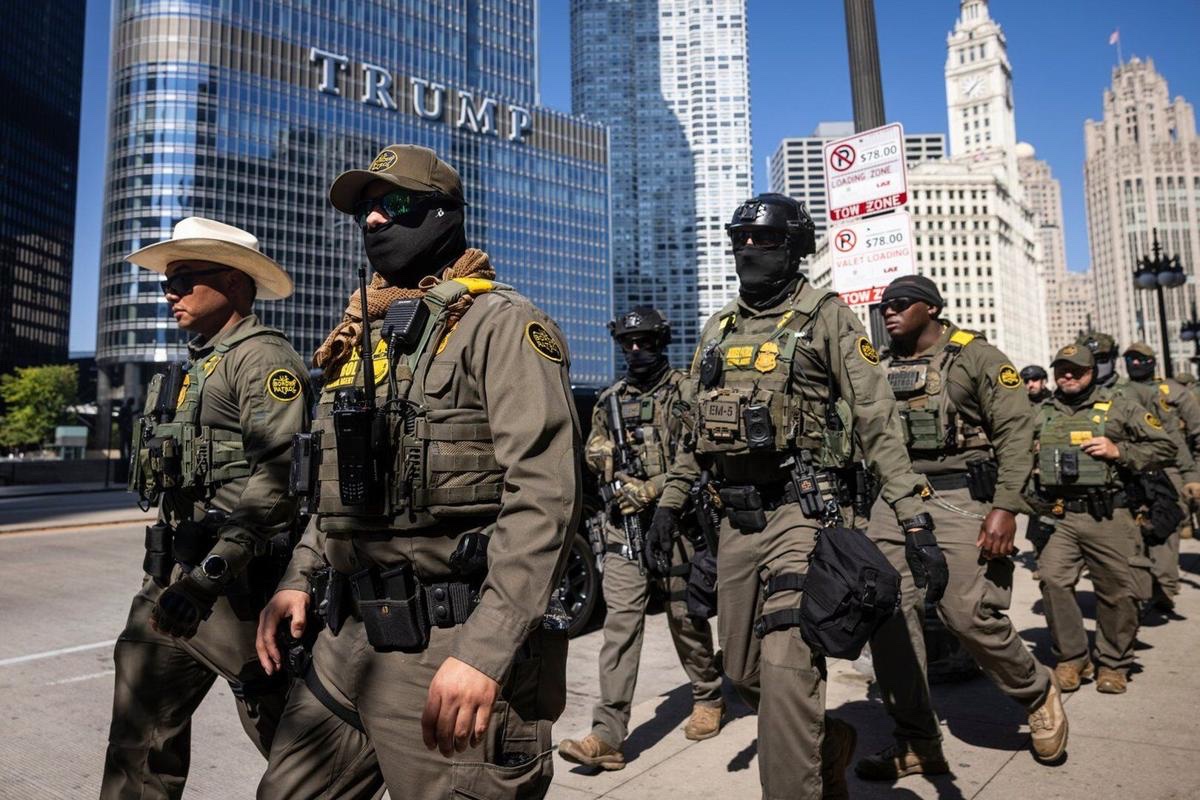
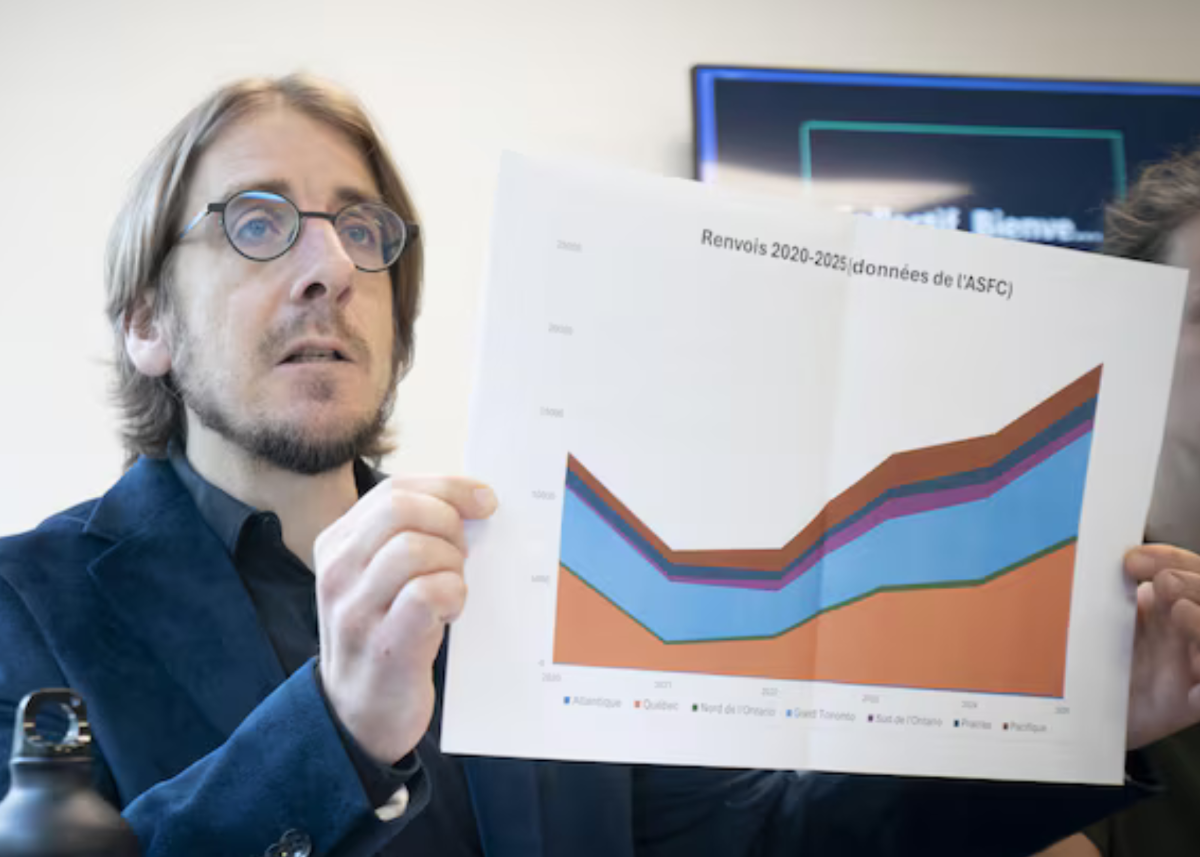
They say the pattern appears to be concentrated in Quebec, where the Canada Border Services Agency (CBSA) seems to be focusing its removal efforts — 55 per cent of all deportations in Canada took place in the province in the first four months of 2026.
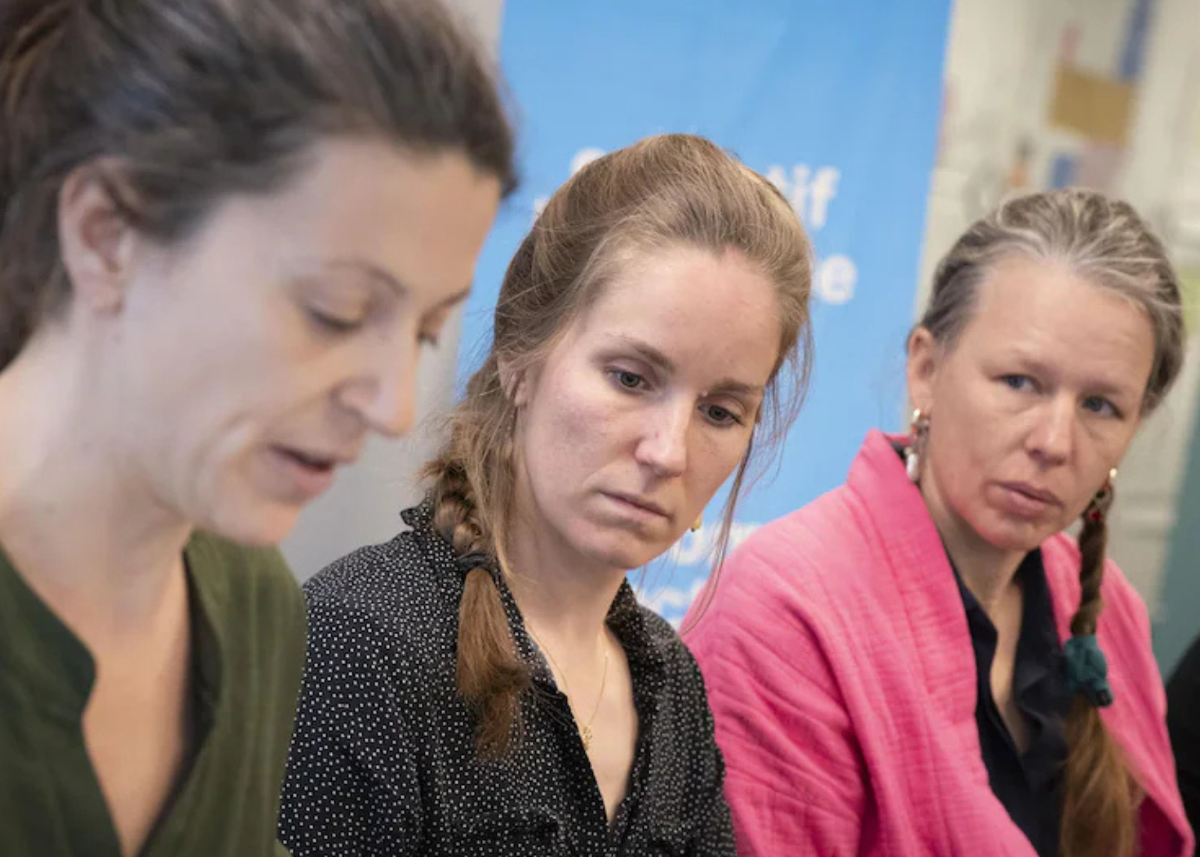
"These are extremely dramatic cases of family separation", said Maryse Poisson, the director of social intervention at the Welcome Collective, a Montreal organization helping migrants, who described the cases above. "Children could be deprived of one of their parents indefinitely."
Poisson said her organization alone has worked with eight families in the last two months where one parent faced deportation while the rest of the family would remain in Canada. One father was deported last week, while six cases won temporary reprieves, and another one is in the midst of fighting to stay.
Poisson, along with a group of lawyers, advocates and politicians, spoke at a media event in Montreal on Monday, calling on the federal government to adopt a policy suspending deportations that would separate families.
Quebec represented nearly 46 per cent of deportations in Canada in 2025, up from 30 per cent in 2022. In the first three months of 2026, the province accounted for nearly 55 per cent of all removals carried out nationwide.
The increase follows a broader hardening of public discourse around asylum seekers in Quebec, according to Louis-Philippe Jannard of the Quebec network for organizations serving refugees and immigrations.
"Some politicans or commenters presented people seeking refuge as the source of almost all of Quebec society's problems", Jannard said, noting he believes political rhetoric may be influencing the CBSA's activities in the province.
Concerns about child rights
Two women shared their CBSA experiences at the conference by video link with their cameras off and without using their full names: one woman from Mexico CBC News spoke with (new window) last month and one woman from Guinea, whose story has appeared (new window) in Quebec newspaper Le Devoir.
The woman from Guinea recounted being detained for five weeks this fall, away from her infant daughter. Her lawyer, Anne-Cécile Khouri-Raphaël, told CBC News the woman was still breastfeeding when she was taken into immigration detention in Laval, Que., outside Montreal.
Khouri-Raphaël, who is the vice president of the Canadian Association of Refugee Lawyers, said the deportation proceedings appear to contradict Canada's legal obligations, including commitments under the United Nations Convention on the Rights of the Child, as well as provisions in Canada's immigration law emphasizing family reunification.
"What we're seeing in practice is the exact opposite of that", Khouri-Raphaël said in reference to CBSA's enforcement of removals that separate families.
She added that colleagues in other provinces were surprised by the intensity of removals in Quebec.
"The violence with which these removal [proceedings] are happening when children are involved is unprecedented", she said.
Many families have struggled to secure legal representation in time for their deportation dates, according to Marie-Odile Marcotte, another immigration lawyer who spoke Monday. Marcotte said there are fewer than 300 refugee lawyers in Quebec, and only a small number of them handle emergency deportation cases.
"The delays are really, really short. It's a ton of work — at least 50 hours for one deportation", Marcotte said.
Why Quebec?
Jannard of the roundtable group said it's unclear why exactly the family separations appear to be happening more in Quebec, but that there could be several factors involved, such as the CBSA's Quebec administration enforcing tougher removal practices.
He also pointed to an apparent shift in the CBSA's removal priorities in early 2025, when he says the agency began increasingly targeting failed asylum claims. CBC has reached out to CBSA for comment, but did not immediately hear back.
In response to previous inquiries from CBC about the topic of family separations, the agency has said, family members of protected persons who are eligible to apply for permanent residency aren't necessarily "immune from removal proceedings."
"CBSA is legally mandated to remove from Canada, as quickly as possible, all foreign nationals who are … subject to an enforceable removal order", the agency has said in a statement.
A spokesperson for NDP MP Alexandre Boulerice said the party has written to federal Public Safety Minister Gary Anandasangaree calling for action. CBC has also reached out to Anandasangaree's office for comment.
"Current immigration policies are leading to a significant deterioriation of the refugee protection system", Boulerice's political attaché, Julien Fournier-Dorion, said on the MP's behalf.
In late March, the federal government enacted a strict asylum law (new window) that retroactively nullifies, by some estimates, more than 30,000 refugee claims.
According to Boulerice, Canada is deporting more people than under former Conservative prime minister Stephen Harper. Deportations peaked under Harper in 2012 at nearly 19,000 (new window). Last year, CBSA reported a new high (new window) at 23,160 removals across the country.
"Canada has moral obligations. It is illegal and as a society we must refuse to allow decisions that break up families in such an inhumane way", Fournier-Dorion said.
Andrés Fontecilla, an MNA for the provincial Québec solidaire, said the Quebec government should intervene and request that CBSA stop deporting spouses and children of people who are allowed to be in Canada.
"It is unacceptable that these practices are happening in our name", Fontecilla said.
Writer
KLHIISA is a registered Non-Profit Organization.