Loading...
For Joyal Jose’s working-class parents in India, his tuition in Canada was a retirement investment — and a huge gamble. His father, a farmer, and mother, a nurse, had to mortgage their family’s land to scrape together the money for his two-year social service worker diploma program at Seneca College. His graduation was delayed for one extra term because he had suffered severe depression when he first arrived in Toronto in early 2021.

KLHIISA
Writer
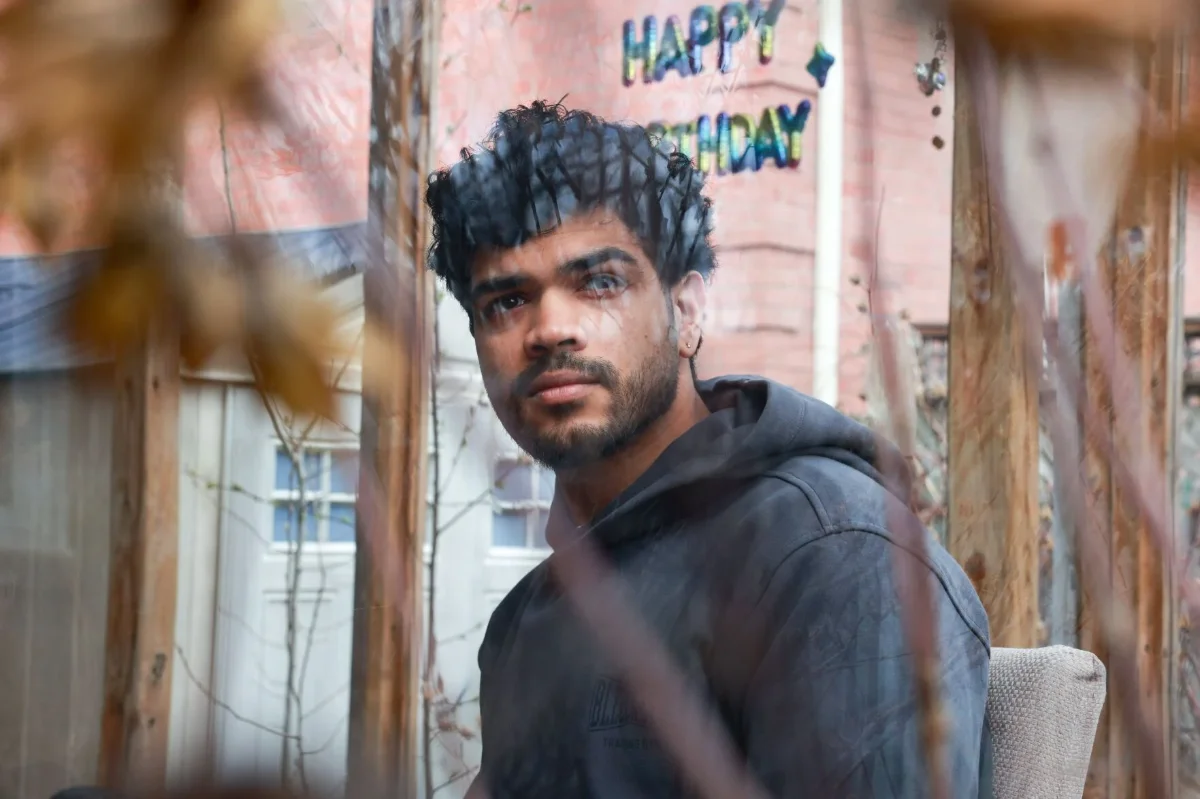
Pressure to get status weighs heavily when families back home, often working-class, invest so much.
By Nicholas Keung Toronto Star July 23, 2026
For Joyal Jose’s working-class parents in India, his tuition in Canada was a retirement investment — and a huge gamble.
His father, a farmer, and mother, a nurse, had to mortgage their family’s land to scrape together the money for his two-year social service worker diploma program at Seneca College. His graduation was delayed for one extra term because he had suffered severe depression when he first arrived in Toronto in early 2021.
The total tuition fees over five semesters amounted to $45,000, and Jose had to work while studying to cover the costs on books, rent and other living expenses.
The pressure to do well and ultimately earn his permanent residency in Canada has weighed heavily on Jose. His postgraduation work permit expired in January and he is now on a temporary work authorization lasting until the end of the year.
“You don’t even know what’s up next and what’s left for you when you wake up,” said the 25-year-old Ajax man, who has worked as a support worker at a group home, providing personal care to kids and adults with autism, developmental delays and brain injuries.
“My parents are nearly 60 and are reaching the age of retirement,” added Jose, an only child. He said they live paycheque to paycheque. “They’ve spent a big chunk of their savings on me and my education. They do want me to get my PR (permanent residence), so I could have more opportunities in life and have a better life.”
After cranking out study and work permits to welcome the world to Canada after the pandemic, Ottawa has reversed course. Not only has it slashed the number of permanent residence spots from half a million a year to 380,000, it has strived to reduce the share of temporary residents to just five per cent of the country’s total population by the end of 2027.
Nearly 1,940,000 study, work and visitor permits are slated to expire by the end of 2026 — with another 1,039,840 in 2027. Caught in the policy swing are people such as Jose, who are fighting to remain here as the door is closing.
Experts and advocates say many temporary residents are faced with more than just the struggle for immigration status amid the uncertainty, but also the tremendous family pressure to stay in Canada and the possible shame of returning home without permanent residence, the prize that drew most of them here.
When moving back home is unthinkable
Coming to Canada is often not an individual choice but a family decision. That comes with the expectations that the collective sacrifices from everyone back home will pay off when a migrant is established abroad and can one day support them in return.
“They can’t even think about going back,” said activist Jaspreet Singh, founder of the International Sikh Students Association. Almost a third of international students in Canada last year — down from the peak of 50 per cent in 2023 — came from India, particularly Punjab, where Singh is from.
“Some of their families have sold their house, sold their land for money. They haven’t even paid their loans yet. How can they even go back? And then there’s a stigma that they are a failure, right? They can’t even talk face to face to their family.”
Singh said that for years, migrants had been sold the Canadian dreams via so-called “edugration” — earning permanent residence by way of studying and then working in the country. Education, especially shorter college programs, became a shortcut for immigration.
That relatively easy pathway had worked for many, including those in low-skilled jobs, until two years ago, when the tide turned. Ottawa reduced immigration levels amid an already strained affordable housing market and other infrastructure and services, such as health care. It has become a lot harder now to get permanent residence in Canada.
“They are comparing themselves to those who came here in good times,” lamented Singh, who arrived at Sheridan College a decade ago on a study permit and became a permanent resident in 2022.
“The stress is coming from everywhere. The reality is far different from what they thought. Their families now have even less resources compared to what they used to have before they came to Canada.”
And those college diplomas and entry-level Canadian work experience may carry little value back home upon their return, he added.
Jose came to study in Canada after finishing high school in India. He is unsure what his diploma from Seneca would land him in India, where there is less opportunity in social services as people stay home to look after elderly and infirm relatives.
“I will be back to where I started,” he said. “I would have to go back to college, pursue a degree, learn other skills and do something different, which might take another six, seven years to rebuild my life.”
The value of a Canadian passport
María Cervantes-Macías, a research fellow at the University of British Columbia’s Centre for Migration Studies, said migrants come to Canada with different expectations and ambitions. Much of that, she added, is shaped by their socioeconomic backgrounds and upbringing rather than nationality.
As Canada made study and work permits more accessible, it also opened the door wider to migrants from poorer backgrounds for a shot to come to study and work — and potentially acquire permanent residence and citizenship, said Cervantes-Macías, who studies international mobility.
“It raises the stake of what it means to obtain PR,” explained Cervantes-Macías, who came from Mexico for graduate school at UBC in 2018 on a scholarship and got her permanent residence two years ago.
“For those that are in that upper middle class, there’s also opportunities back home and elsewhere. So it is seen as an advancement to spend some time abroad … whereas those that came here with more stakes in staying want to stay.”
A Canadian permanent residence and citizenship — and passport — can improve mobility and is good to have, but not necessarily a must-have for those with skills that are sought after and highly transferable, she noted.
Cameroonian Elvis Nde Ade worked as a restaurant manager and later account clerk in Dubai before he came to Canada in 2022 on an employer-sponsored work permit as a food service supervisor. That position used to qualify him for permanent residence with a job offer. He paid a consultant $8,000 to get him the job, and has a two-year-old son to feed.
For many immigrant communities, said Nde Ade, having a son or daughter in the diaspora brings pride to the family and returning home “empty-handed” could bring disgrace.
Nde Ade said Canadians need to understand where many of the temporary residents are coming from and be honest about how the immigration system attracts students and workers to the country by dangling a chance for permanent residence as bait.
“Nobody leaves their family, their friends to go somewhere just on temporary basis,” said the 37-year-old, who works in a rural community in Ontario. His work permit expires next year, with no permanent status in sight.
“People will not invest huge sums of money to come here for temporary reasons. It might be what’s stated on paper but practically shouldn’t be because for you to attract people, you have to tell them what you have in stock for them. You have to have health care. You have to have permanent residency. Otherwise they won’t come.”
Nde Ade said he’s still trying to figure out a Plan B, betting on his wife, a medical lab technologist, getting an invitation for permanent residence with her health-related background. But when push comes to shove, he would have to return home and face the music because it is impossible for his young family to live undocumented here.
“I can only adapt to the fast-changing times,” he said. “If the worst comes to the worst, going back home would not be a death penalty.”
Writer
KLHIISA is a registered Non-Profit Organization.