Loading...
Ravi Jain is an immigration lawyer at Jain Immigration Law. He has served as the national chair of the Canadian Bar Association Immigration Section and as a president of the Canadian Immigration Lawye...

KLHIISA
Writer
Ravi Jain is an immigration lawyer at Jain Immigration Law. He has served as the national chair of the Canadian Bar Association Immigration Section and as a president of the Canadian Immigration Lawyers Association.
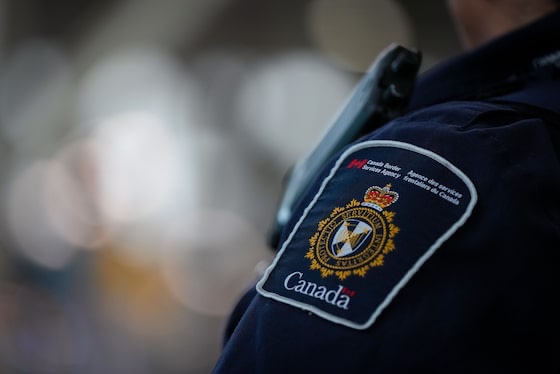
The Canada Border Services Agency recently carried out immigration status checks in Calgary on former international students protesting their inability to get coveted post-graduation work permits. As a result of those checks, more than a dozen of them might now face enforcement action.
The plight of international students may not garner a great deal of public sympathy. The number of temporary residents in Canada shot up from about 500,000 a decade ago to three million in October, 2024 – and have only recently come down to about 2.5 million. Many of them were students and their partners.
Some Canadians will feel that this is still too many and will blame immigration policies of the Trudeau government or the students themselves for a variety of social ills: entry-level jobs being harder to come by, housing prices shooting up, hospital wait times increasing, even greater traffic congestion.
Prime Minister Mark Carney says that his government has “taken back control” of Canada’s immigration system. Perhaps he means strictly in terms of numbers of people. But what about the integrity of the system?
Has his government tackled widely reported fraud, such as the selling of job offers and fake payrolls arranged by unscrupulous immigration consultants? Sadly, not at all.
International students were promised a guaranteed pathway to permanent residence by shady representatives both abroad and in Canada. The government’s own marketing encouraged them to come here to study and to stay. The ones who did come added billions of dollars to the economy and have contributed significantly to struggling postsecondary institutions.
Many parents in India literally bet the farm, borrowing substantial sums to pay for their children’s education here. Tragically, far too many students realized they would not be able to transition to permanent residence, resulting in shame and depression.
When he was Immigration Minister, Marc Miller implemented study permit caps, forcing provinces to select which institutions and programs would be given the Designated Learning Institution (DLI) status required for student visas. Largely, they chose universities and traditional community colleges over community college partnerships with private colleges.
The government is now intent on making it harder for international students to stay. For most students, the next step after graduating is applying for a postgraduate open work permit. But as of November, 2024, Immigration, Refugees and Citizenship Canada implemented mandatory language testing and required that study programs be tied to labour market need.
Understandably, students are now protesting these changes. It’s been reported that police asked the Canada Border Services Agency to carry out “a status check on four individuals” at a protest in Calgary on Aug. 12 – and when two were found to lack status, 16 others were checked and 12 were identified as being possibly inadmissible and asked to attend a follow-up interview.
It’s unclear why CBSA agreed to the request by the local police given the Charter right of “everyone” to not be arbitrarily detained (section 9) and the right to be secure against “unreasonable search” (section 8). While CBSA may investigate those who overstay their permits, due to budgetary constraints they typically focus on those who have been charged with a crime.
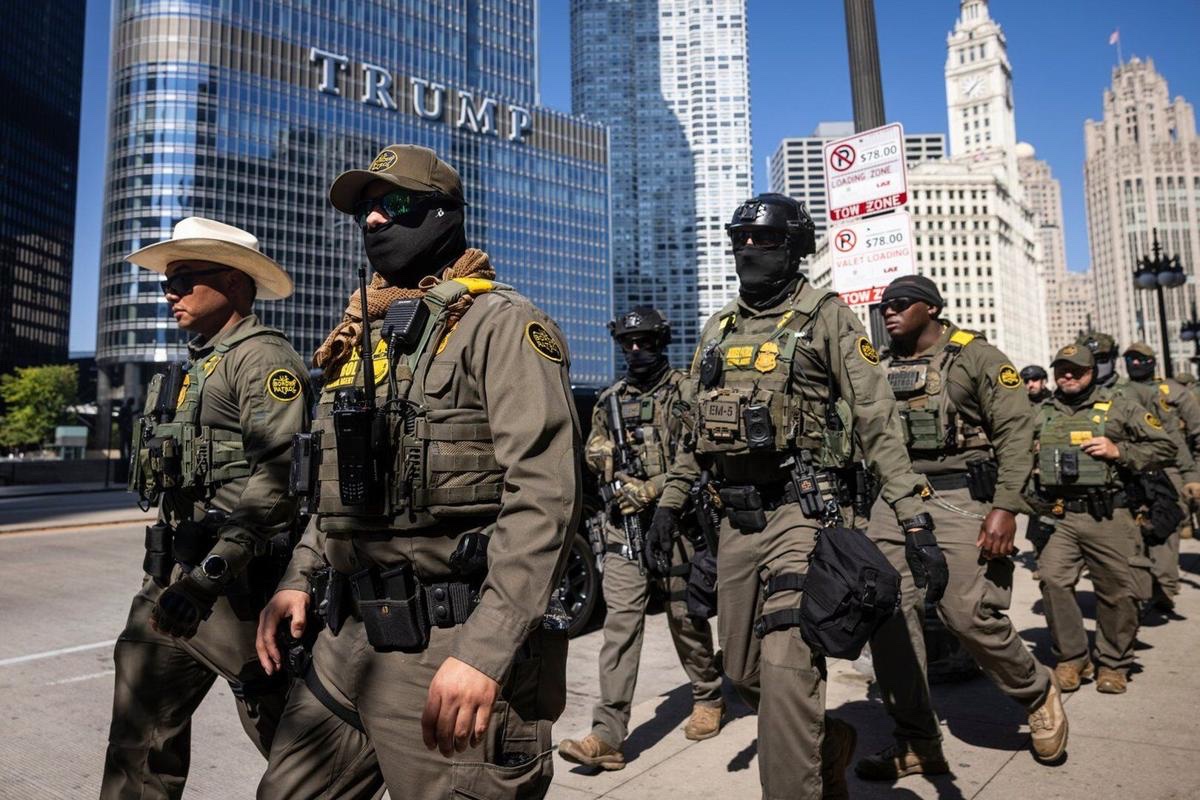
Canadians who are appalled at the tactics of Immigration and Customs Enforcement (ICE) south of the border should be similarly concerned by CBSA checking people’s “papers” while at a public protest that Calgary police characterized as largely peaceful, and at which they determined no criminal offences occurred. It creates a potentially chilling effect on future demonstrations, deterring the Charter right of “everyone” to peaceful assembly under section 2(c).
It’s long overdue for the government to finally create an oversight body for the CBSA by implementing Bill C-20, which received royal assent in October, 2024, after more than two years of Parliamentary debates and a 323-0 vote at third reading in the House. We desperately need an independent Public Complaints and Review Commission. The RCMP has one but there is nothing in place for the CBSA.
Under our immigration legislation, officers may only “examine” a person if they are making an immigration application or seeking entry or transit or making a refugee claim. None of that was happening here. The students just wanted someone to care about them.
Writer
KLHIISA is a registered Non-Profit Organization.