Loading...
Oksana Tashkinova has gotten used to fleeing to safety ever since Russia bombed and took over eastern Ukraine in 2014. She always holds on tightly to her son — and her backpack. Inside the dark blue knapsack are identification documents and personal records that tie her to her past and present, and shape her resettlement. “These documents are important to continue your life somewhere,” said Tashkinova, who fled Luhansk in 2014 to Mariupol, from where she escaped to Lviv in western Ukraine and then Poland in 2022 when Russia launched a full-scale war on Ukraine. She and her family resettled in Edmonton three years ago under Ottawa’s temporary humanitarian program for Ukrainians.

KLHIISA
Writer
By Nicholas Keung Toronto Star July 3, 2026
Researchers examined the challenges in securing things such as a birth certificate and medical records.
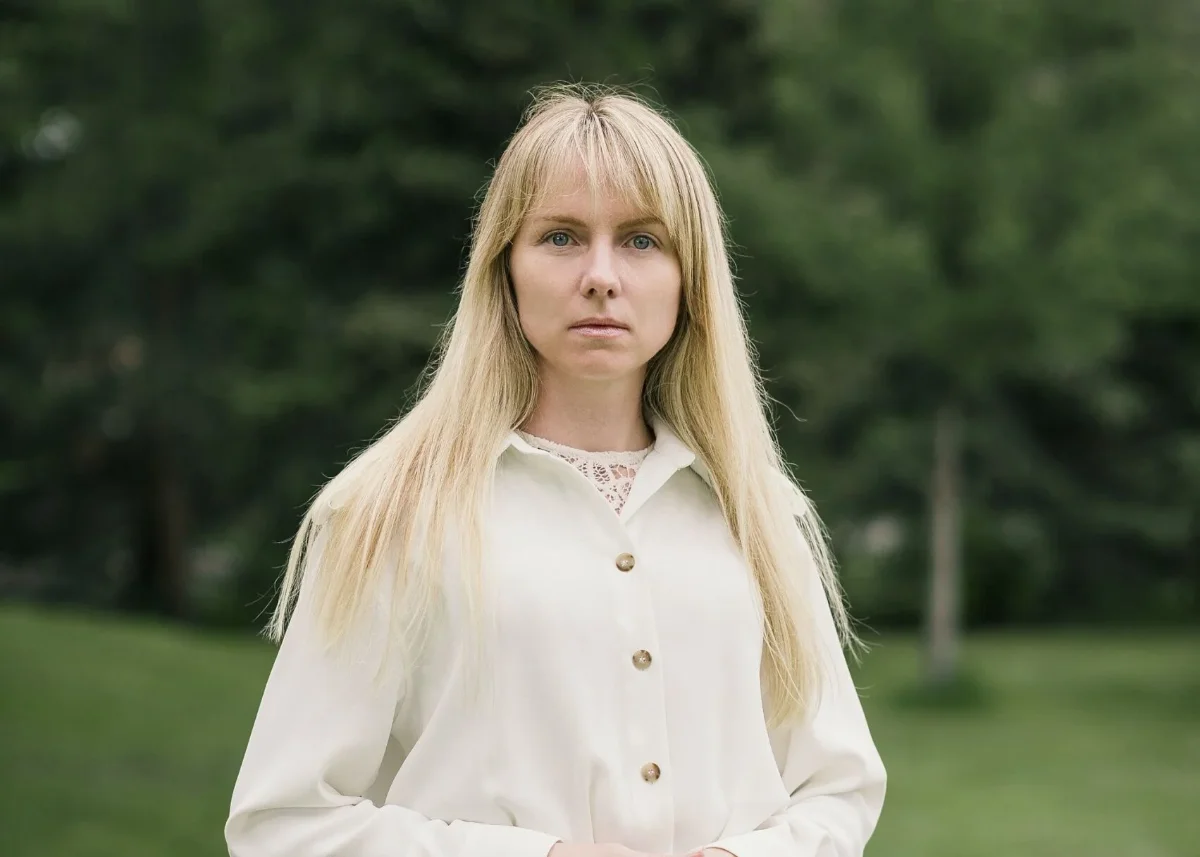
Oksana Tashkinova has gotten used to fleeing to safety ever since Russia bombed and took over eastern Ukraine in 2014. She always holds on tightly to her son — and her backpack.
Inside the dark blue knapsack are identification documents and personal records that tie her to her past and present, and shape her resettlement.
“These documents are important to continue your life somewhere,” said Tashkinova, who fled Luhansk in 2014 to Mariupol, from where she escaped to Lviv in western Ukraine and then Poland in 2022 when Russia launched a full-scale war on Ukraine. She and her family resettled in Edmonton three years ago under Ottawa’s temporary humanitarian program for Ukrainians.
“I don’t know what the future might bring to me. Perhaps I will have to move again. I cannot relax. I cannot unpack my backpack. I cannot just put all these documents on the bookshelves. I need to be ready for any changes life might bring to me.”
Given her own experience of forced migration, it’s no surprise that Tashkinova felt a personal connection to a recent research study. In it, she and other scholars examined the challenges refugees face in securing simple things such as a birth certificate, education credentials and medical records — and the dire consequences of losing them.
What the refugee study found
Led by Dalhousie University professor Michael Ungar, the study, published recently in the journal “Refuge,” interviewed 90 Afghan and Syrian families in Turkey and those from Ukraine and displaced in Halifax, Edmonton and Warsaw, Poland.
“What we heard is the incredible challenges of how you transfer documents,” said Ungar, founder and director of Dalhousie’s Resilience Research Centre.
“It’s one of those hidden problems that nobody thinks about. You think about the trauma of being exposed to war or living in a refugee camp. I don’t want to make light of those serious problems but underneath it all is this kind of little thing that they will talk about.”
The participants in the survey all recognized the importance of safeguarding these records and did their utmost to protect them from being damaged, lost or stolen during their treacherous journeys.
“We have heard stories of people who have had to carry in a plastic pouch around their neck their birth certificates up from South America and they had to do it through the rain as they walked for miles just to escape whatever the situation,” said Ungar.
“This was all analog. And I thought to myself, there’s something terribly incongruous about this.”
The people surveyed said they knew they would be in trouble without proper documentation because these papers not only define who they are, but also dictate their exits and entries from place to place and are required for access to support and services during resettlement.
Tashkinova said displaced children need IDs and vaccination records to enrol in school, youth and adults require transcripts to continue education or find jobs, and they all must have some medical history for treatment.
Sometimes there’s no way for the families to retrieve those personal records again because the schools, hospitals and government offices have been destroyed or no longer exist.
Tashkinova said she still keeps all important documents in the very same backpack, which has since grown to include records from Ukraine, Poland and now Canada.
“These are the documents that give the opportunity to normalize life in a country and to get access to the necessary services to have a normal life,” said Tashkinova, who has a PhD in sociology and taught at Pryazovskyi State Technical University. She is now a research project manager at Dalhousie.
At the same time, personal documents could also expose a displaced person to threats and risks at checkpoints and in a country they’re transiting through. Some study participants said they would sew documents into clothing, make multiple copies or take images of them on their cellphones as backups to avoid trouble or destroy them when facing imminent danger.
Tashkinova said she witnessed a female police officer discarding all her ID during the evacuation from Mariupol so she could pass as a civilian through Russia-occupied areas.
“They had to get rid of documents that could endanger their lives,” Tashkinova noted. “Some people had to delete information from their phones.”
What can policymakers learn from the study
There are many takeaways from the experience of the participants in this study and for policymakers in migrant-receiving countries, said Nilüfer Kuru, a professor at Siirt University in Turkey and co-author of the paper.
She said people facing displacement should secure their original records and documents in a safe place, and make duplicates and digital copies of them, which may still be accepted for identification purposes — and keep them separate. Passwords to unlock saved digital files should be shared with family members or someone they trust, she added.
She said authorities must recognize the challenges displaced people face in obtaining and safeguarding personal documents, and allow alternative ways to verify personal information. Schools, for example, could use a simple test to decide what grade a child belongs instead of requesting a formal report card and detailed curriculum.
“But I think the only solution is a secure, portable and internationally recognized digital documentation system for displaced people,” said Kuru.
“Families should not rely on paper documents that can be lost, destroyed and confiscated during sudden flight. This type of system should allow refugees to safely store identity records or family relationship, educational documents like that. The storage and technological tools should be (made) accessible across countries and institutions.”
Writer
KLHIISA is a registered Non-Profit Organization.