Loading...
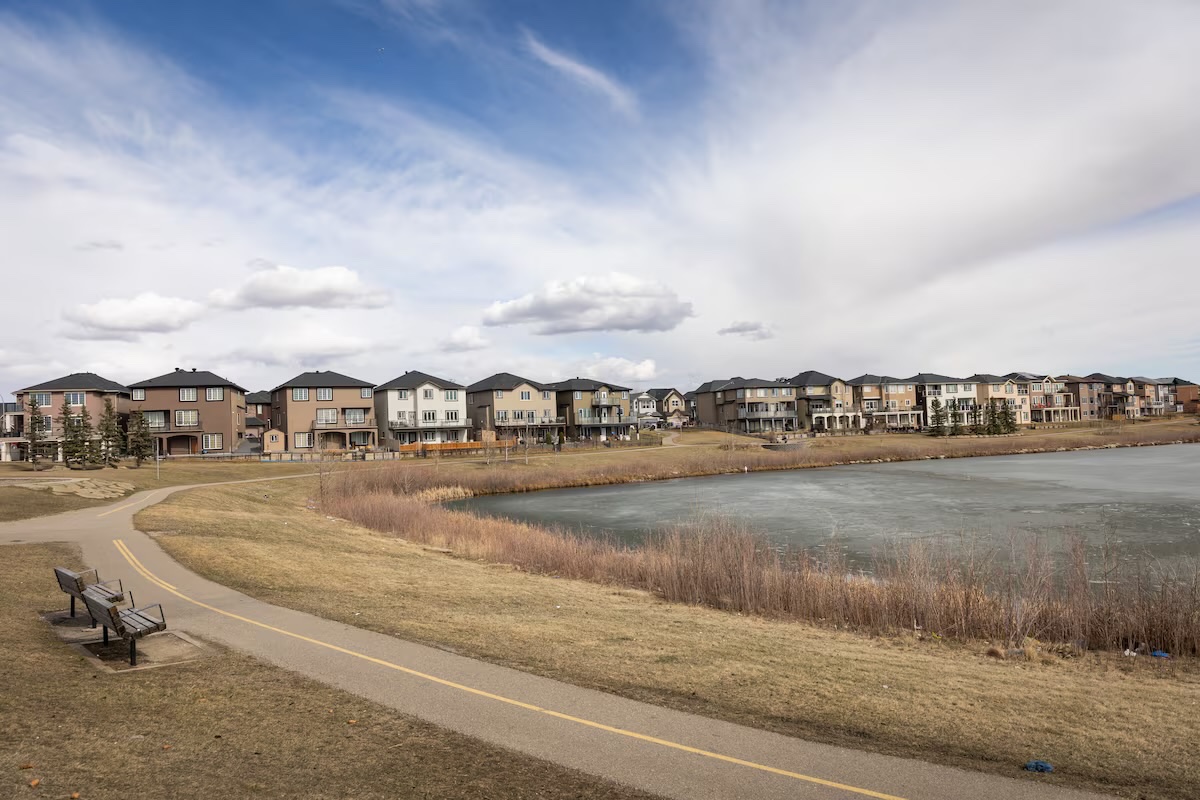
Statistics Canada study examined home ownership rates in Ontario, B.C. and Nova Scotia. A rising proportion of recent immigrants are becoming homeowners, nearly catching up with the home ownership rates of their Canadian-born peers, says a new report. In the three provinces with multiple-year data available, the home ownership rates of permanent residents measured between 2018 and 2021 all rose, according to the Statistics Canada study, which examined recent immigrants’ home ownership trajectories.

KLHIISA
Writer

By Nicholas Keung, Toronto Star, June 17, 2026
Statistics Canada study examined home ownership rates in Ontario, B.C. and Nova Scotia.
A rising proportion of recent immigrants are becoming homeowners, nearly catching up with the home ownership rates of their Canadian-born peers, says a new report.
In the three provinces with multiple-year data available, the home ownership rates of permanent residents measured between 2018 and 2021 all rose, according to the Statistics Canada study, which examined recent immigrants’ home ownership trajectories.
“Paired with historically low interest rates starting in 2020, the larger income gains among recent immigrants may have contributed to their increased home ownership rate in 2021, even as ownership rates declined among the Canadian-born population,” said the report released Tuesday.
In Ontario, the home ownership rate for recent immigrants in the fifth year after admission rose from 35.7 per cent in 2018 to 40.3 per cent in 2021. In B.C., it went up from 33.4 per cent to 37.5 per cent. In Nova Scotia, it soared from 34.8 per cent to 48.1 per cent.
During the period, the home ownership rates for their Canadian-born counterparts fell slightly in all three provinces. In Ontario, it dropped from 50.7 per cent to 47.8 per cent; B.C., from 44.7 per cent to 43.3 per cent; and Nova Scotia, from 51.1 per cent to 49.8 per cent.
Statistics Canada said it could be related to recent immigrants’ significant gains in wages relative to the rise among Canadian-born individuals. In Ontario, for instance, recent immigrants’ median family income went up by $14,000, from $61,000 in 2018 to $75,000 in 2021, while it crept up by $2,000 from $107,000 to $109,000 for the Canadian-born.
The study combined information from the Canadian Housing Statistics Program on homeowners in seven provinces — Prince Edward Island, Nova Scotia, New Brunswick, Ontario, Manitoba, Alberta and B.C. — with immigration data from 2017 to 2021.
It focuses on tax filers age 25 to 54 in the reference year who were recent immigrants, in their first five years after admission as permanent residents.
Recent immigrant homebuyers were less likely to contribute to a Registered Retirement Savings Plan and paid a larger sum of monthly mortgage payments on average.
In B.C., only 16.8 per cent of first-time immigrant homebuyers contributed to an RRSP in the year of purchase, compared to 36.1 per cent among their Canadian-born peers.
Across Canada, average monthly mortgage payments skyrocketed for the immigrant buyers, from $1,355 in 2017 to $1,920 in 2021, while the amount rose modestly for the Canadian-born from $1,275 to $1,420.
These findings, said the report, suggest that recent immigrant homeowners rely more on higher mortgage debt and tend to build their equity by prioritizing the purchase of a home over retirement contributions.
“Consequently, recent immigrant buyers may have been more exposed to shifts in the housing market than their Canadian-born counterparts,” it cautioned.
In the short and medium term, higher purchase prices may have resulted in larger mortgages and higher monthly payments for these recent buyers. In the longer run, recent immigrant homeowners’ financial security will be more closely tied to the value of their homes because of their lower retirement savings and higher mortgage debt.
Writer
KLHIISA is a registered Non-Profit Organization.