Loading...
Amnesty International, the Canadian Council for Refugees and the Canadian Council of Churches argue that the agreement discriminates against racialized women, minors and LGBTQI+ people. The federal go...

KLHIISA
Writer
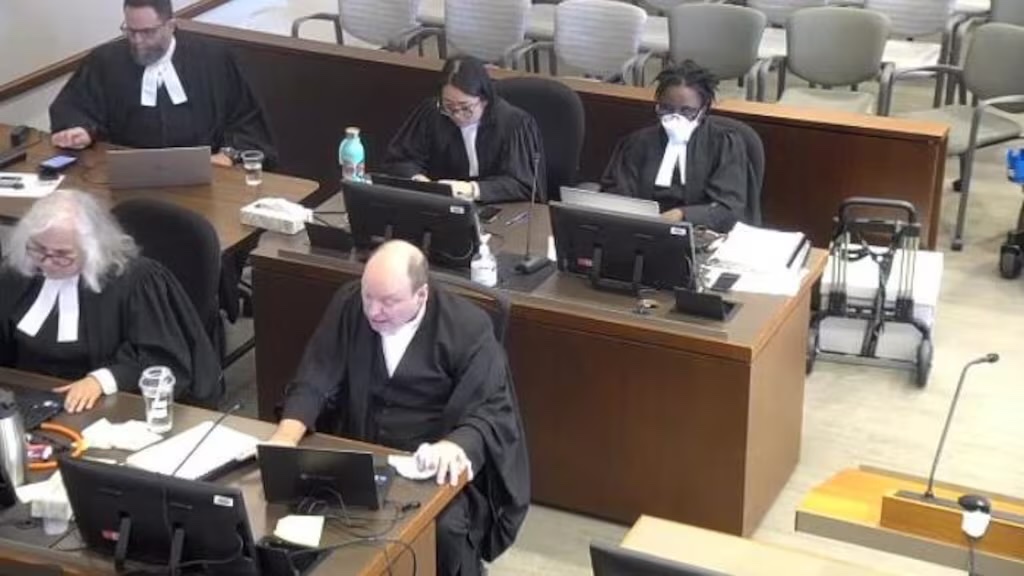
Amnesty International, the Canadian Council for Refugees and the Canadian Council of Churches argue that the agreement discriminates against racialized women, minors and LGBTQI+ people. The federal government, however, defends the agreement.
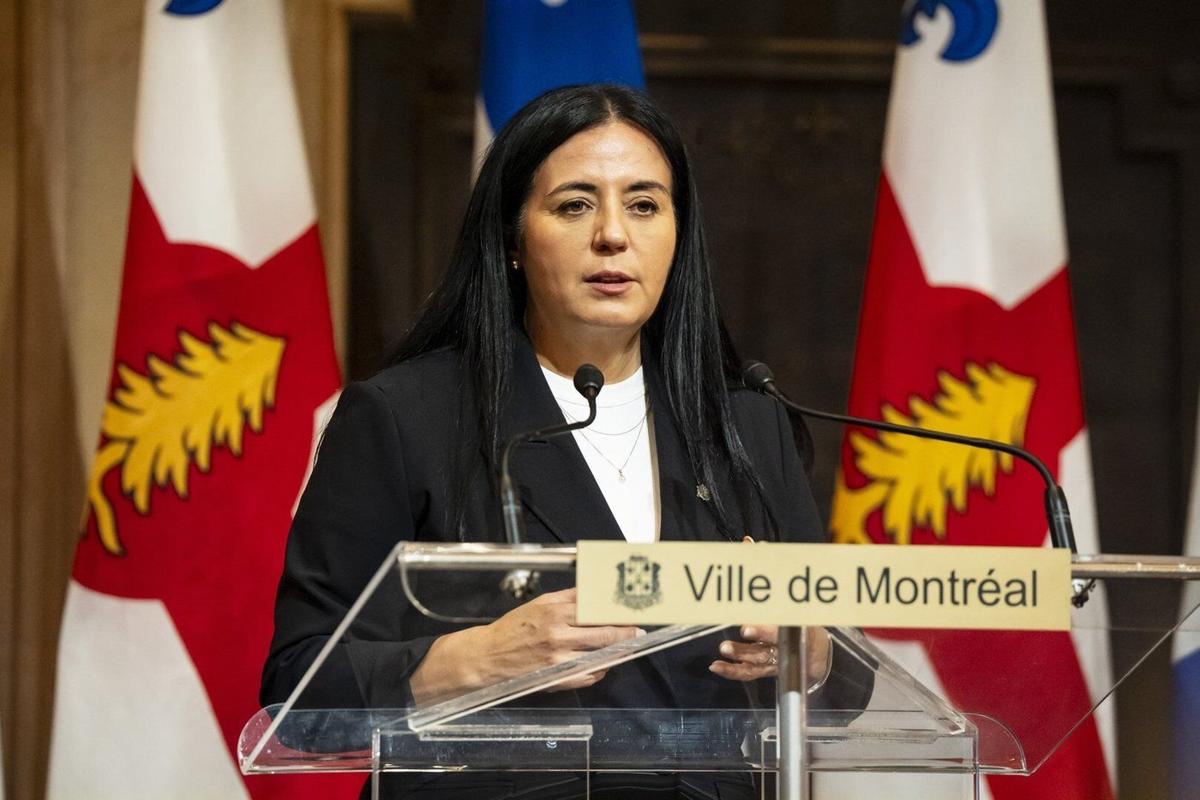
"Canada can no longer rely on the United States to fulfil its legal obligations to people who arrive at our door seeking safety," says Julia Sande of Amnesty International Canada, in her Toronto office.
On November 9, 10 and 12, the Federal Court in Toronto heard arguments challenging the legal validity of the Safe Third Country Agreement. Hearings are scheduled to resume on December 16. The agreement has been in force for two decades. It is based on the premise that both countries reliably uphold the right to seek asylum. It requires asylum seekers to make their claims in the first safe country they reach. Under the agreement, asylum seekers who arrive at Canada's land or sea border after passing through the United States are generally denied entry and returned to the U.S. Haiti, Venezuela and Colombia are currently the main countries of origin of asylum seekers returned by Canada to the United States.
Amnesty International, the Canadian Council for Refugees, the Canadian Council of Churches, and asylum seekers argue that the agreement violates the right to equality, protected by section 15 of the Canadian Charter of Rights and Freedoms. Julia Sande is a lawyer and strategic litigation campaigner specializing in refugee and migrant rights at Amnesty International Canada. She is not involved in litigating this case. In her view, the agreement causes harm by returning people to the United States despite knowing that they face detention and removal. "They are at risk of deportation to a country where they could face torture, persecution or other serious human rights violations."– Julia Sande, lawyer at Amnesty International Canada
Between January 1, 2025, and March 30, 2026, Canada returned at least 4,000 people to the United States. This figure comes from the plaintiffs' written submissions, based on data from Canada Border Services Agency. According to Julia Sande, Canadian officers only assess whether asylum seekers qualify for exceptions, such as having a close relative in Canada. They do not consider what might happen to them in the United States, she says.
Twenty minutes to decide at the border
Having family in Canada is not always enough. Carlos and Antonia fled Honduras in 2021 with their son, Alejandro, after suffering attacks and threats from gang members. In March 2025, in the United States, they were informed their asylum case had been closed and that they would be deported, according to the Canadian Council for Refugees. In April 2025, they arrived at the Canadian border. Carlos has siblings in Canada, so officers told him he and Alejandro could enter. Antonia, however, had to go back to the United States. "I said to them: 'What am I supposed to tell my son to explain why they won't let his mother in with us?' And the border officer answered: 'That's your problem, you have 20 minutes to make a decision.'" – Carlos, Honduran asylum seeker
The family refused to be separated, and Canada returned all three to the United States. After five days in detention, they were transferred to the detention centre in Dilley, Texas. There, Antonia and Alejandro were separated from Carlos. "A child shouldn't learn what a lock is before learning what freedom is." – Antonia, Honduran asylum seeker
Ottawa and the organizations defend their positions
In 2023, the Supreme Court of Canada unanimously ruled that the agreement does not violate asylum seekers' rights to liberty and security under section 7 of the Canadian Charter of Rights and Freedoms. According to the University of Toronto's Investigative Journalism Bureau, the Canadian government argues that the plaintiffs’ case relies on press reports, hearsay and speculation. Ottawa also argues that the equality rights in the Canadian Charter of Rights and Freedoms does not apply, because the challenge is about U.S. asylum law. It further asserts that, even if those rights do apply, any infringement is demonstrably justified. Julia Sande says the court record runs to tens of thousands of pages, including expert reports and sworn statements from people detained in the United States.
"The United States isn't hiding what it's doing. It is quite open and, in fact, proud of its campaign of mass detention and deportation. We have statements from the United States, executive orders, its own laws." – Julia Sande, lawyer at Amnesty International Canada. According to the Amnesty International lawyer, the Canadian government considers that the situation in the United States has not changed. She points instead to overcrowding and to the detention of families and of pregnant and breastfeeding women. She adds that LGBTQI+ people are 97 times more likely to be sexually assaulted while in U.S. immigration detention.
Remote crossings, child detention and the Refugee Convention
Since 2023, the agreement has applied along the entire land border between Canada and the United States. To avoid it, Julia Sande explains, people must cross the border somewhere other than an official port of entry. They must then remain 14 days in Canada without being detected. When the government announced this change, it acknowledged that it would put women and girls at greater risk, she adds. The regulations that applied the agreement to the entire land border, published in the Canada Gazette in April 2023, confirm what the lawyer says. Their "gender-based analysis plus" acknowledges a risk that asylum seekers may turn to human smugglers or take dangerous routes. According to the document, these clandestine routes could increase the risks of human trafficking and sexual violence, often disproportionately targeted at migrant women, girls and LGBTQI people.
According to the lawyer, Canadians express differing views on the appropriate level of immigration, but she is confident that there are certain values on which no one in the country would disagree. "Do you think that Canada should be handing over children to ICE to throw them into detention where they will not have clean drinking water, where they'll lose weight […]? I would like to hope that answer of Canadians would be no." – Julia Sande, lawyer at Amnesty International Canada
The lawyer also recalls the collective horror after the Second World War over turning away people fleeing Nazi Germany. That horror led to the Refugee Convention. We created this system to say: if someone isn't safe, if someone needs protection, what do they have to do? They just have to knock on your door, she said. Canada, she argues, has a duty to hear their claim. Once the hearings have concluded, the Federal Court will decide whether returning to the United States people who come to Canada's door seeking safety violates the right to equality guaranteed by the Canadian Charter of Rights and Freedoms.
Human Rights Watch has documented the following findings in U.S. Immigration and Customs Enforcement (ICE) detention centres:
52 people died in ICE custody between January 20, 2025, and June 4, 2026. The death rate doubled after Donald Trump began his second term.
In July 2026, Human Rights Watch and the American Civil Liberties Union documented cases of cruel treatment, medical neglect and excessive use of force at Camp East Montana, in Texas, the country's largest detention centre.
In July 2025, Human Rights Watch documented people at three centres kept handcuffed for long periods on buses without food or water.
Report: Safe Third Country Agreement challenged in Federal Court in Toronto
Writer
KLHIISA is a registered Non-Profit Organization.