Loading...
Many applicants are from countries whose teams are not playing on Canadian soil or who aren’t even in the tournament. The World Cup has attracted thousands of soccer fans applying for a visitor visa to Canada — and many are from countries whose teams are not playing on Canadian soil or who aren’t even in the tournament.

KLHIISA
Writer
By Nicholas Keung Toronto Star June 12, 2026
Many applicants are from countries whose teams are not playing on Canadian soil or who aren’t even in the tournament.
The World Cup has attracted thousands of soccer fans applying for a visitor visa to Canada — and many are from countries whose teams are not playing on Canadian soil or who aren’t even in the tournament.
Visitors to the tournament in Toronto and Vancouver have been asked to put in “FIFA World Cup 26” in their visa applications or when they apply for an electronic travel authorization if they are from a visa-exempt country.
Ghana, whose national team will play at Toronto Stadium on Wednesday, topped the list of visa applicants, with 1,953 applications submitted between Nov. 14, 2025, when Ottawa first announced its special visa measures, and March 31, the latest data available. Ghana also had the most refusals.
The West African country was closely followed by the 1,793 applications received from Colombia, which is in the tourney but is not scheduled to play in Canada. India (1,393), Nigeria (1,293) and Pakistan (1,085) rounded out the top five source countries; none of these three qualified for the tournament.
Preliminary data from the Immigration Department suggested there were more visas refused than granted among applications with the “FIFA World Cup 26” flag. The countries with the highest refusal cases were: Ghana (1,423), Pakistan (797), India (687), Nigeria (557) and Colombia (461).
Concerns have swirled over travellers being scammed or taking advantage of the event to gain easy entry to Canada for asylum and work opportunities since social media posts emerged late last year, falsely advertising that visitors can work without work permits during the World Cup, and offering help with cover letters and coaching for visa applications to attend games.
Not only did Canadian officials step up their scrutiny, they also campaigned to combat misinformation and disinformation about Canada’s immigration system through public engagement and advisories.
Of the total 4,625 of visas approved, 1,076 were issued to Colombians, topping all countries. China, which did not qualify for the Cup, came a distant second, at 327. It’s followed by Ecuador (257), the U.S. (239) and India (188). (American citizens don’t need visas to come here, but U.S. permanent and temporary residents do.)
Soccer fans from visa-exempt countries still need an electronic travel authorization to come to Canada. Panama, Australia, Germany, Brazil and England made up the top countries for eTAs with the FIFA flag in the applications. There were 1,613 applications from these five countries but only 54 were rejected. In all, 2,340 eTAs were approved.
This week, news of Somali soccer referee Omar Artan being denied entry to the U.S. over unspecified “vetting concerns” made headlines around the world. Artan, named as Africa’s best male referee in 2025, was set to be the first referee from Somalia to officiate at a World Cup after making FIFA’s final list for the tournament.
The Immigration Department has implemented a temporary policy, effective until July 31, to exempt select FIFA-invited foreign nationals to work in Canada without a work permit. As of March 31, a total of 1,135 foreign nationals with an official FIFA invitation letter were issued a visitor visa or eTA.
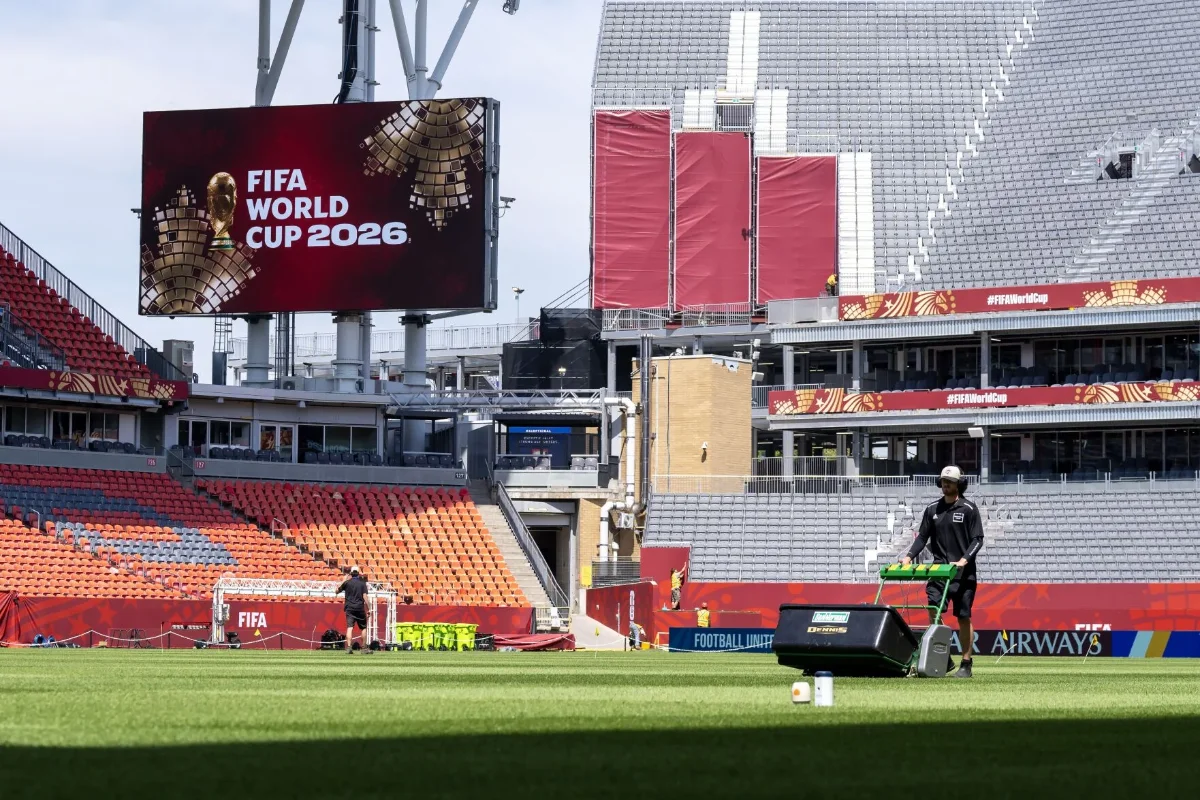
Canada will host 13 World Cup games — six in Toronto and seven in Vancouver — between June 12 and July 7. Teams scheduled to compete on our turf include: Australia, Belgium, Bosnia-Herzegovina, Canada, Croatia, Egypt, Germany, Ghana, Iraq, Ivory Coast, New Zealand, Panama, Qatar, Senegal, Switzerland and Turkey.
Writer
KLHIISA is a registered Non-Profit Organization.