Loading...
A new co-payment scheme for refugee health care is expected to save Ottawa $217 million a year by 2029-2030, but growing backlogs and processing times could derail the projection, says the Parliamentary Budget Officer.

KLHIISA
Writer
A new co-payment scheme for refugee health care is expected to save Ottawa $217 million a year by 2029-2030, but growing backlogs and processing times could derail the projection, says the Parliamentary Budget Officer.
Since May 1, the federal government has required asylum seekers and sponsored refugees to pay out of pocket 30 per cent of the costs of services such as dental, optometry and physiotherapy under the Interim Federal Health Program (IFHP). Patients will also be charged a $4 flat rate on each prescription.
In 2024-25, Ottawa spent $822 million on health care for refugees in Canada, up from $198 million five years ago. These supplemental benefits account for roughly 54 per cent of total program spending, with urgent dental care and prescription medication representing the largest share of the expenses.
The introduction of the co-payment scheme is projected to reduce the spending by $162 million this fiscal year and the annual saving would grow to $217 million in 2029-30, through direct cost-sharing with beneficiaries and reduced service uptake anticipated, PBO said in its report released Tuesday.
With up to 26 per cent of new refugee claims expected to be cancelled under new asylum eligibility effective in March, fewer people would be able to access refugee health care, and the PBO estimates the costs could decline by an additional $220 million annually in five years.
Both the volumes of asylum claims and lengthening processing times, along with rising health-care costs, are the key drivers of the soaring cost, said the PBO. A one-month increase in processing times for asylum claimants, it added, could increase annual federal program costs by up to $72 million this year alone.
“Processing capacity remains a key cost driver, as persistent backlogs can extend IFHP coverage durations and raise cumulative expenditures,” said the PBO report. “Improvements could shorten coverage and moderate cost pressures.”
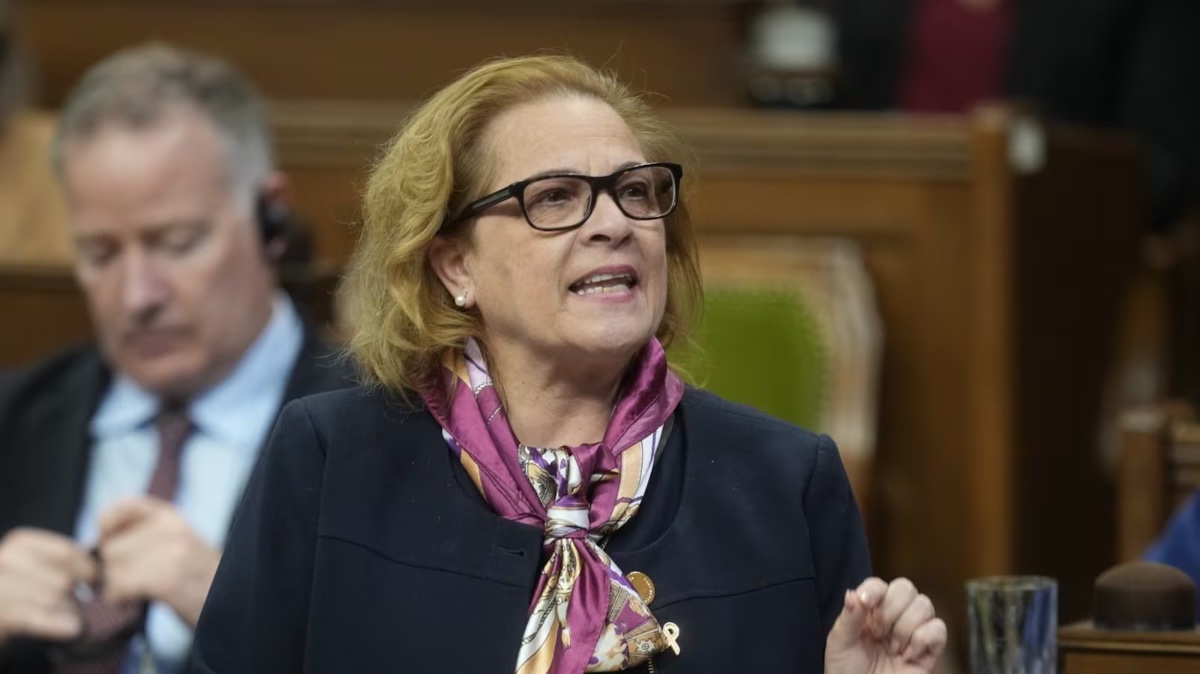
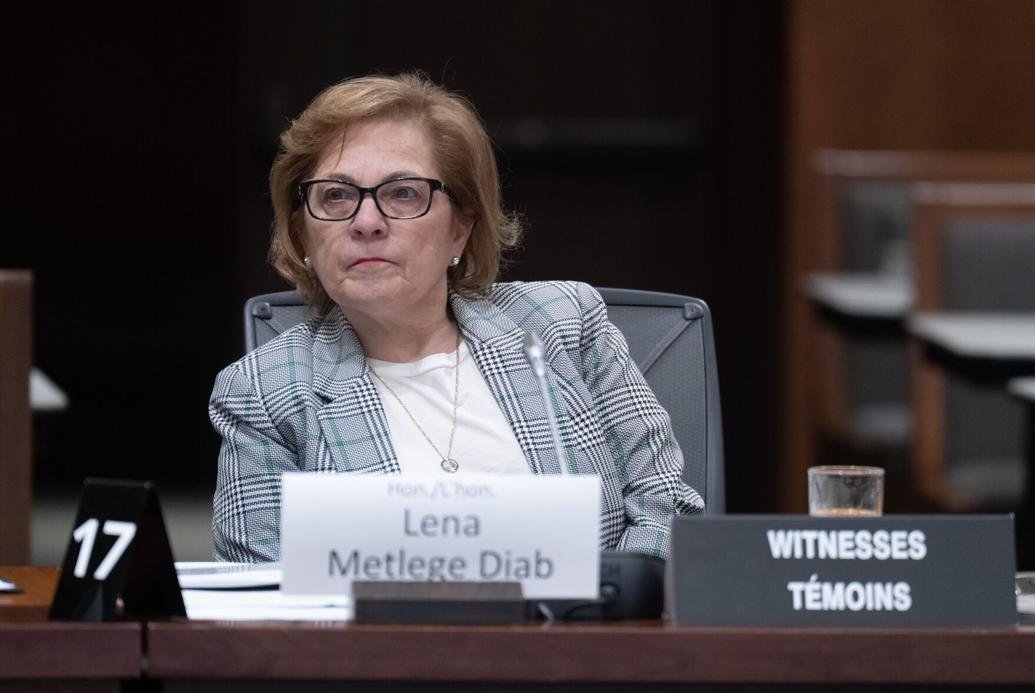
During question period in the House of Commons, Immigration Minister Lena Metlege Diab was asked by opposition MPs why rejected asylum claimants remain eligible for “luxury” health benefits.
“Volumes (of claims) are coming down,” Diab replied. ”We have substantially reduced the asylum numbers … We are taking action and it’s working.”
Refugee claimants are eligible for basic and supplemental coverage while decisions on their claims are pending. Those who are granted protection will receive provincial health care while failed claimants remain eligible for the federal refugee health program until they exhaust all avenues of appeal.
The PBO said asylum claimants on average had stayed on the program for roughly four years in 2024-2025, up from three years in 2021-22. Almost one-fifth of all claims processed by the refugee board file at least one appeal.
As of December 2025, the Canada Border Services Agency had 74,000 failed claimants pending removal in the system, including 22,682 whose removals are delayed due to factors such as pending litigation and assessments of risks faced by deportees if returned to their country of origin.
“Together, these factors substantially lengthen IFHP eligibility for a significant share of unsuccessful claimants,” said the PBO report.
Dr. Vanessa Redditt, founding member of the Canadian Refugee Health Network, called the report “incomplete and biased” because it failed to look at the downstream costs on acute-care hospitalization from delays in care.
“They are not looking at long-term costs of unmanaged health conditions,” said the Toronto family physician. “You don’t address the rising costs by cutting care to everyone. You need to address the backlog. You need to address the root cause.”
According to the PBO, more than 300,000 asylum claimants remained in the system pending a decision as of December — five times the 2021 level.
Gauri Sreenivasan, co-executive director of the Canadian Council for Refugees, said Ottawa was wrong-headed to make cuts to refugee health in isolation when backlogs and processing times are the bigger concerns.
“The takeaway from this report should really be, ‘How do we minimize processing times for refugee claimants and how do we grant access to status for many who are stuck in limbo?’” she said. “They need the resources to move through the backlog.”
The PBO report said 195,000 asylum seekers and refugees filed tax returns, and collectively contributed $835 million to federal and provincial tax revenues.
Mental health and trauma therapist Maheen Hyder pointed out that asylum seekers fleeing war and persecution are entitled to due process, and the report confirmed that the rising refugee health costs are tied to immigration system delays and administrative pressures.
“There is an appeals process in the immigration system for a reason,” she said. “We should not hold health care hostage from refugees.”
Writer
KLHIISA is a registered Non-Profit Organization.